

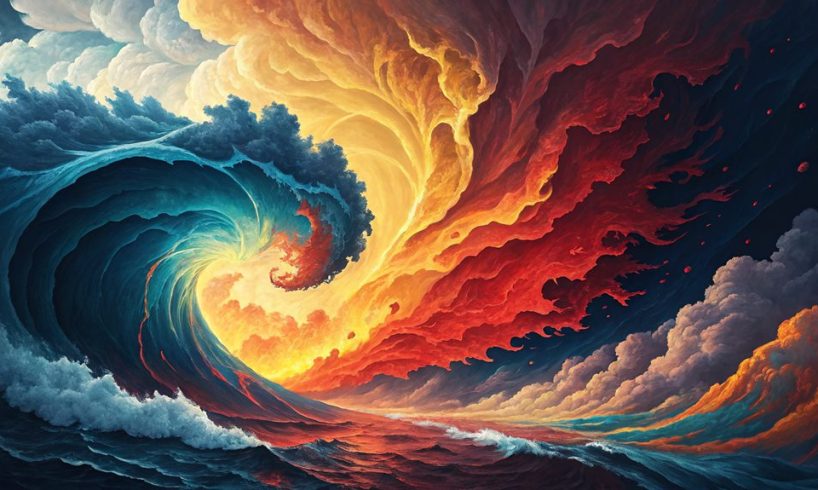
Abstract art offers a revitalizing departure from the traditional confines of representation. You might find yourself intrigued by how this genre prioritizes emotion and interpretation through color, shape, and form. As you explore the various styles and methods, like Abstract Expressionism or Geometric Abstraction, you’ll uncover the techniques that artists employ to convey complex ideas. The work of pioneers such as Kandinsky and Pollock pushes boundaries, inviting you to reflect on what art truly means in our contemporary world. What’s more, the role color plays in these pieces could shift your perspective dramatically.
History of Abstract Art
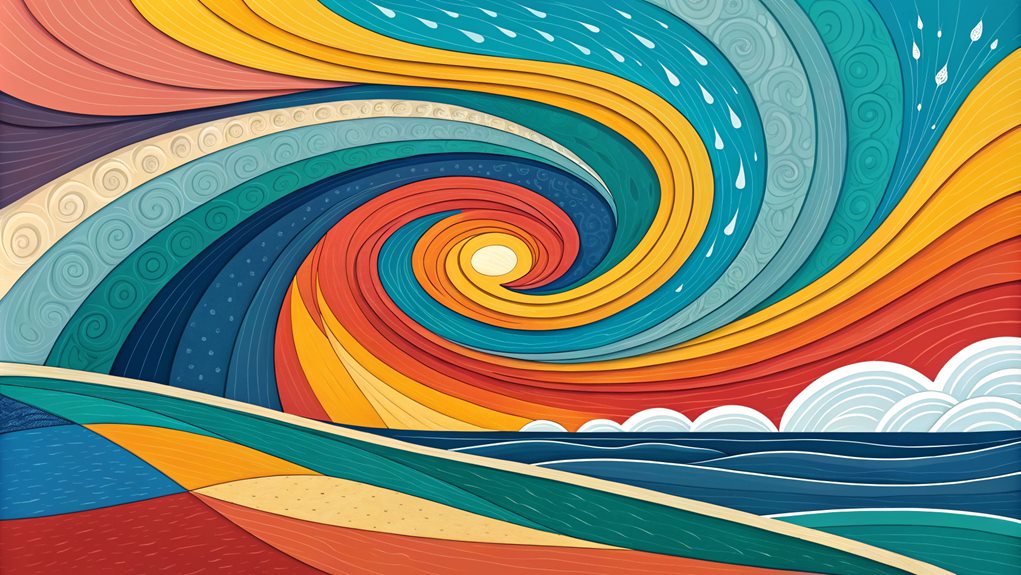
Abstract art has often emerged as a powerful response to the limitations of representational art. It’s a movement that challenges conventional forms, pushing boundaries to explore new ways of expression. You might trace its roots back to the late 19th and early 20th centuries, when artists like Wassily Kandinsky and Piet Mondrian began to prioritize color, shape, and form over realistic representation. This shift wasn’t just about aesthetics; it reflected broader changes in society, philosophy, and science.
As you investigate deeper into the history, you’ll notice that various cultural movements influenced abstract art, from the spiritual explorations of the Theosophical Society to the rise of modernism. Throughout the 20th century, abstract art evolved through multiple styles, including Cubism, Futurism, and Abstract Expressionism. Each of these movements brought fresh ideas and perspectives, allowing artists to break free from traditional constraints.
Key Characteristics of Abstract Art
Emerging from the rich history of innovation, abstract art is marked by several key characteristics that set it apart from traditional forms. These traits invite you to explore new dimensions of creativity and perception, encouraging personal interpretation and emotional engagement.
- Non-representational imagery: Abstract art often moves away from depicting recognizable subjects, focusing instead on colors, shapes, and forms to convey meaning.
- Expression over realism: It prioritizes emotional expression over realistic representation, allowing artists to communicate feelings and ideas through their unique visual language.
- Dynamic use of color and texture: Colors and textures take center stage in abstract art, where the interplay between them can evoke various moods and sensations, sparking your imagination.
As you explore these characteristics, you’ll find that abstract art challenges your perceptions and invites you to engage with the artwork on a deeper level. This form of art isn’t just about what you see; it’s also about how it makes you feel, encouraging a personal connection that transcends conventional artistic boundaries. Embrace the freedom and complexity that abstract art offers!
Major Styles of Abstract Art
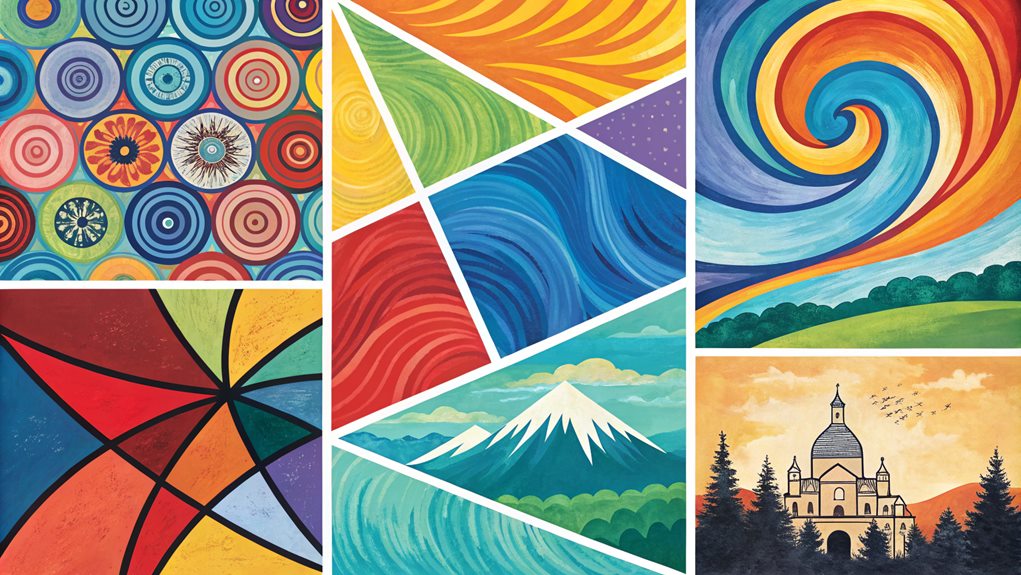
While exploring the vast landscape of abstract art, you’ll encounter several major styles, each offering unique perspectives and techniques. One prominent style is Abstract Expressionism, which emphasizes spontaneous, emotional responses to art. Artists like Jackson Pollock and Mark Rothko used bold colors and dynamic brushstrokes to convey feelings rather than represent reality.
Another significant style is Geometric Abstraction, characterized by the use of geometric shapes and forms. Think of artists like Piet Mondrian and Kazimir Malevich, who focused on the simplicity of lines and colors to create visual harmony. This style often evokes a sense of order and structure.
Then there’s Color Field painting, where large expanses of color dominate the canvas. Artists like Mark Rothko and Helen Frankenthaler aimed to evoke emotions through color relationships, creating serene and contemplative spaces.
Lastly, you’ll find Lyrical Abstraction, which combines spontaneity with a more lyrical approach. This style often features flowing lines and organic shapes, inviting viewers to engage with the emotion behind the work. Each of these styles invites you to experience abstract art in varied and profound ways, expanding your understanding of this vibrant genre.
Techniques Used in Abstract Art
In abstract art, techniques like Color Field Painting and Geometric Abstraction can transform your creative approach. You’ll see how these methods emphasize color and shape, allowing you to express emotions and concepts without relying on traditional representations. Let’s explore how these techniques can enhance your artistic practice.
Color Field Painting
Color Field Painting focuses on the bold use of color to express emotion and create a sense of depth. This technique invites you to immerse yourself in the artwork, allowing colors to evoke feelings without the distraction of intricate forms or detailed imagery. When you explore Color Field Painting, you’ll notice the following aspects:
- Large, flat areas of color: These expansive forms dominate the canvas, drawing your eye and encouraging a direct emotional response.
- Layering techniques: Artists often apply multiple layers of paint, allowing colors to interact and create a rich, textured surface that adds complexity.
- Subtle gradients and shifts: The gradual changes in color can evoke feelings of serenity or tension, guiding your emotional experience through the piece.
As you engage with Color Field Painting, you’ll appreciate how artists like Mark Rothko and Barnett Newman used simplicity to convey profound messages. This approach strips away the unnecessary, letting you focus solely on the interplay of color and emotion. By embracing the essence of Color Field Painting, you’ll discover a new dimension in your understanding and appreciation of abstract art.
Geometric Abstraction Techniques
Moving from the emotive power of Color Field Painting, Geometric Abstraction Techniques emphasize structure and form through the use of geometric shapes and lines. You’ll find that these techniques often involve the repetition and arrangement of shapes like squares, triangles, and circles, creating a sense of harmony and order.
To start, consider employing basic geometric shapes in your compositions. Try using a grid system to guide your layout, allowing you to explore balance and symmetry. Experiment with varying the size and scale of shapes; this will add depth and interest to your work.
Color plays a significant role, too. You can choose a limited palette to maintain focus on the forms or use contrasting colors to create tension between shapes.
Additionally, don’t shy away from layering. Overlapping shapes can produce intriguing visual effects, inviting viewers to engage more deeply with your piece.
Influential Abstract Artists
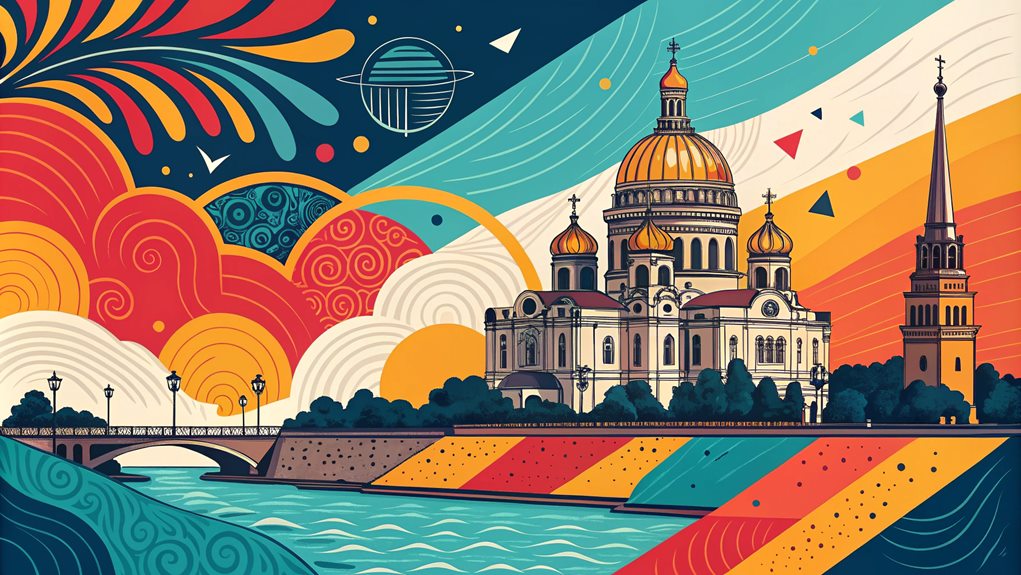
As you explore the world of abstract art, you’ll encounter pioneers who laid the groundwork for this dynamic form of expression. You’ll also discover notable modern practitioners who push boundaries and influence contemporary art movements. Understanding their impact can deepen your appreciation for the evolution of abstract art.
Pioneers of Abstract Art
Several key figures have shaped the landscape of abstract art, each contributing unique perspectives and techniques that continue to influence artists today. As you explore the works of these pioneers, you’ll see how their innovative approaches paved the way for the abstraction we recognize now.
- Wassily Kandinsky: Often regarded as the father of abstract art, his use of color and form conveyed emotions without representational elements.
- Piet Mondrian: Known for his grid-like compositions and primary colors, he emphasized simplicity and harmony, seeking universal beauty.
- Kazimir Malevich: With his concept of Suprematism, he stripped art down to basic geometric forms, challenging traditional notions of representation.
These artists didn’t just break away from the figurative; they created new languages of expression. Their groundbreaking ideas pushed the boundaries of what art could be, encouraging you to think beyond traditional forms. By studying their techniques and philosophies, you’ll gain a deeper understanding of the evolution of abstract art and its ongoing impact on contemporary practices.
Notable Modern Practitioners
Numerous influential abstract artists have emerged in the modern era, each bringing their distinct vision and technique to the art form. One of the most notable is Mark Rothko, whose large, color-filled canvases evoke deep emotional responses. His use of colors to create atmospheric depth invites you to experience the interplay of light and shadow.
Another key figure is Wassily Kandinsky, often regarded as the father of abstract art. He believed that colors and shapes could express spiritual truths, and his works are a fusion of vibrant colors and dynamic forms. You’ll find that his compositions resonate with a sense of rhythm and movement.
Then there’s Piet Mondrian, who stripped art down to its essentials. His grid-like structures and primary colors challenge you to reconsider your perception of balance and harmony in art.
Lastly, take a look at Jackson Pollock. His drip paintings revolutionized abstract expressionism, encouraging you to engage with the chaotic energy of his work. Each artist offers a unique lens through which you can explore the vast landscape of abstract art, enriching your understanding and appreciation of this compelling genre.
Impact on Art Movements
Abstract artists have considerably shaped various art movements, paving the way for innovative approaches and philosophies in the visual arts. Their bold experimentation with form, color, and technique has influenced countless creators across generations. When you explore the impact of influential abstract artists, you’ll notice how they’ve redefined artistic expression.
- They challenged traditional notions of representation.
- They inspired the development of movements like Abstract Expressionism and Minimalism.
- They encouraged a focus on the viewer’s emotional response to art.
Artists like Wassily Kandinsky and Piet Mondrian broke free from conventional structures, paving the way for future movements that prioritized abstraction. Kandinsky’s explorations of color and emotion laid the groundwork for Abstract Expressionism, while Mondrian’s geometric forms influenced the minimalist approach.
Moreover, the works of artists such as Jackson Pollock and Mark Rothko pushed boundaries further, inviting viewers to engage with art on a personal level. Their methods of creation—like drip painting—transformed how you perceive the act of painting itself. Fundamentally, abstract artists not only expanded the definition of art but also inspired ongoing dialogues about creativity and perception in contemporary practice.
The Role of Color in Abstract Art
Color plays an essential role in shaping the emotional landscape of abstract art. When you look at an abstract piece, the colors often evoke immediate feelings, guiding your response and interpretation. Bold reds might ignite passion or anger, while soft blues can instill calmness and serenity. Each hue carries its own psychological weight, influencing how you perceive the artwork.
In abstract art, color also creates movement and depth. You might notice how vibrant colors can draw your eye to certain areas, leading you on a visual journey across the canvas. Artists often use contrasting colors to generate tension or harmony, making the experience of viewing the piece dynamic and engaging.
Additionally, you’ll find that color can symbolize ideas or themes. For instance, earthy tones might represent connection to nature, while vibrant primary colors could reflect the joy of life. As you explore various abstract artworks, pay attention to how the artist’s color choices resonate with you personally. This interaction between color and emotion is what makes abstract art both powerful and deeply subjective, inviting you to find your own meanings within the vibrant spectrum.
Abstract Art in Contemporary Culture
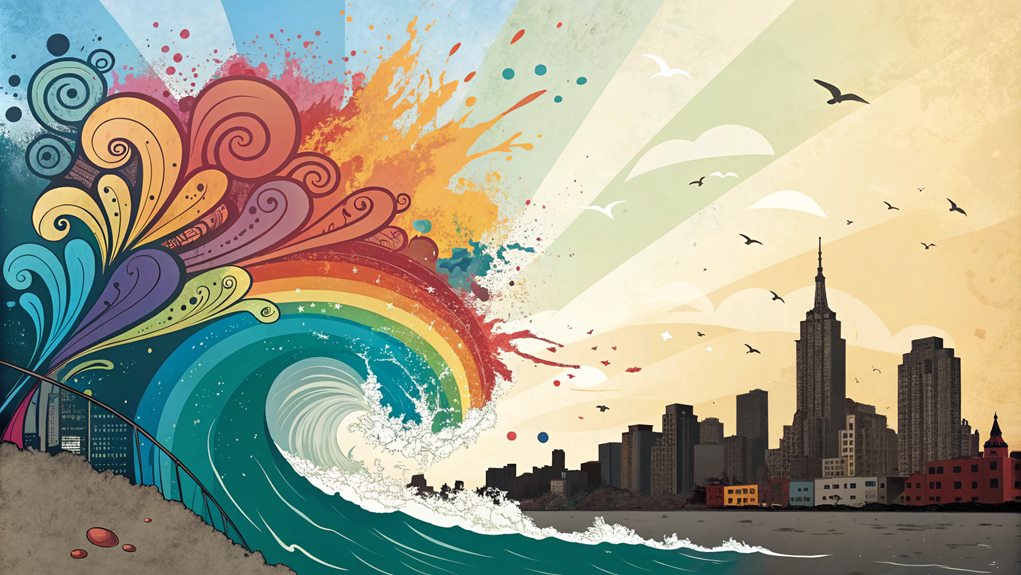
In today’s world, abstract art has become a powerful medium that reflects and challenges contemporary cultural narratives. You might notice how it pushes boundaries and invites viewers to engage with complex themes. Abstract art isn’t just decoration; it serves as a commentary on society, identity, and the human experience.
- It often responds to current events, making the viewer reflect on societal issues.
- It encourages personal interpretation, allowing diverse perspectives to emerge.
- Artists use abstraction to explore emotions and convey messages that words sometimes cannot.
You’ll find that in galleries, public spaces, and even online, abstract art instigates conversations that resonate deeply. The beauty of abstract art lies in its ability to evoke feelings and provoke thoughts without the constraints of realism. It invites you to step outside your comfort zone, challenge your perceptions, and re-evaluate what art can be. Whether you’re drawn to bold colors or intricate forms, abstract art can inspire you to think differently about the world around you. In this way, it remains an essential part of contemporary culture, continuously evolving and adapting to the times.
Tips for Appreciating Abstract Art
How can you truly appreciate abstract art? Start by letting go of the need for concrete meaning. Instead, focus on your emotional response. Ask yourself how the colors, shapes, and lines make you feel. Do they evoke joy, confusion, or tranquility? Embrace these feelings as part of your experience.
Next, spend time with each piece. Don’t rush through a gallery. Stand in front of the artwork and allow your eyes to wander. Notice the textures and brushstrokes, and consider how they contribute to the overall effect. This deeper observation can reveal layers you might miss at first glance.
Try to understand the artist’s intention. Research their background and the context in which the work was created. This knowledge can enhance your appreciation, but remember that your interpretation is just as valid as the artist’s.
Read The Next Blog Post –
In the vibrant chaos of abstract art, you find both the wild brushstrokes of emotion and the precise lines of structure, creating a dance of freedom and form. Each piece invites you to immerse yourself in a sea of color, while simultaneously grounding you with its geometric whispers. As you explore this world, remember: every splash of paint and careful curve holds a story waiting to unfold, urging you to see beyond the surface and embrace the beauty of interpretation.