

You might not realize that the way a portrait is painted can reveal much about the artist's cultural context and personal philosophy. Each style, from the meticulous realism of the Renaissance to the emotive strokes of Expressionism, tells a different story about identity and perception. As you explore these diverse approaches, you'll uncover how contemporary artists are pushing boundaries and redefining what a portrait can be. What might surprise you is how these evolving styles mirror societal changes, prompting you to reconsider your own understanding of portraiture.
Historical Overview
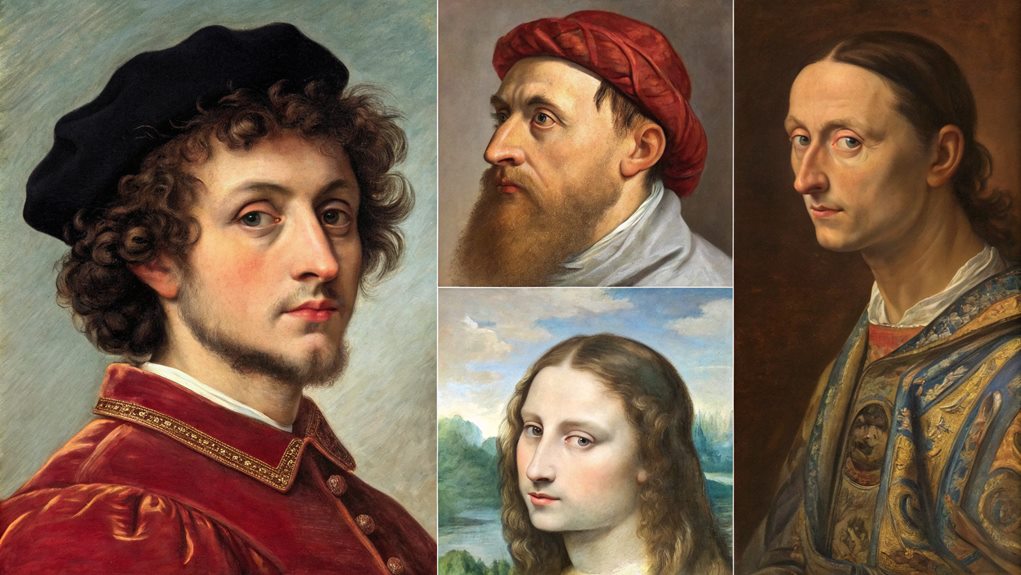
The history of portrait painting is rich and varied, reflecting shifts in culture, technology, and artistic intent over centuries. You'll find that early portraits, dating back to ancient civilizations, often served religious or commemorative purposes, capturing the likeness of gods or important figures. As you move into the Renaissance, artists like Leonardo da Vinci and Raphael elevated the genre, focusing on realism and human emotion. This era marked a significant shift; you see a growing emphasis on individuality and psychological depth in subjects.
In the Baroque period, artists began to explore light and shadow to enhance drama and movement in their portraits. You might be captivated by the works of Rembrandt, who infused his subjects with life through masterful use of chiaroscuro. The 18th century brought about the Rococo style, where portraits became more playful and decorative, reflecting the opulence of the time.
As you progress into the 19th century, photography emerged, changing how artists approached portraiture. You'll notice that some painters adopted new techniques to compete with this technology, leading to diverse interpretations in the art form. This historical journey reveals how portrait painting constantly evolves, adapting to the cultural landscape.
Realism in Portraits
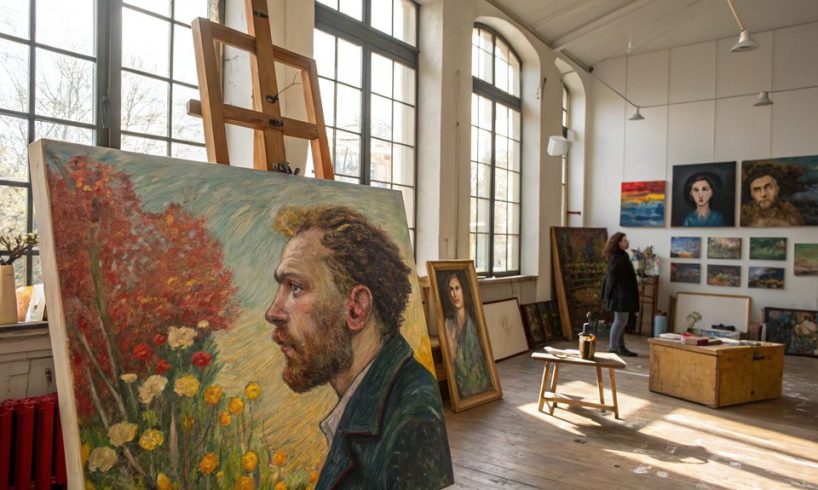
Realism in portraits captures the essence of human experience, focusing on accurate representation and emotional depth. When you look at a realistic portrait, you're drawn into the subject's world, feeling their emotions and understanding their story. This style emerged in the 19th century as artists sought to depict life as it is, without idealization or embellishment.
In this style, you'll notice several key characteristics:
- Attention to Detail: Every wrinkle, freckle, and expression is meticulously rendered, showcasing the subject's individuality.
- Naturalistic Colors: Realism employs a color palette that reflects the true shades of skin, hair, and eyes, enhancing the authenticity of the portrayal.
- Emotional Connection: The artist captures not just physical likeness but also the essence of the subject's personality, allowing you to connect on a deeper level.
Whether you're admiring a classic work or a contemporary piece, realism invites you to engage with the subject in a profound way. It reminds you that each person has a unique story worth telling, making realism an enduring and impactful portrait style.
Impressionist Techniques
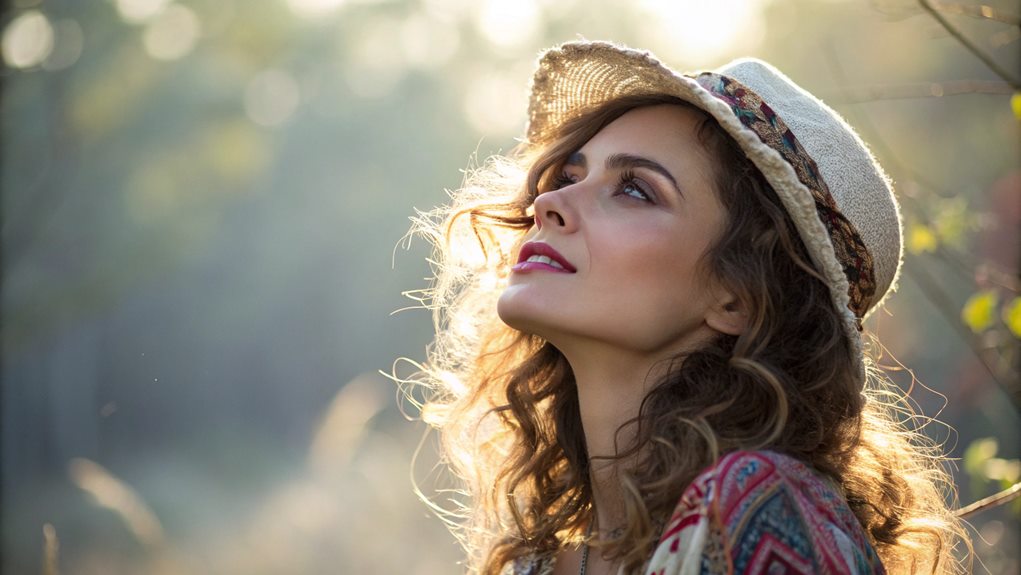
When you explore Impressionist techniques, you'll notice how color and light play essential roles in creating vibrant portraits. You'll also discover unique brushstroke techniques that bring energy to your work. These methods allow you to capture fleeting moments, giving your portraits a sense of life and movement.
Color and Light Effects
Color and light play an essential role in the Impressionist technique, transforming ordinary scenes into vibrant masterpieces. As you explore this style, you'll notice how artists use color to evoke emotion and capture fleeting moments. Instead of blending colors meticulously, they apply pure hues side by side, allowing the viewer's eye to blend them optically. This creates a dynamic sense of light and atmosphere.
To effectively harness color and light in your own work, consider these approaches:
- Use complementary colors: Placing colors opposite each other on the color wheel can create striking contrasts that enhance vibrancy.
- Experiment with natural light: Observe how light changes throughout the day, influencing color perception and shadow dynamics in your subjects.
- Focus on ambiance: Capture the mood of a scene by adjusting your color palette. Warm tones can invoke warmth and comfort, while cool tones can evoke calm and tranquility.
Brushstroke Techniques Explained
Brushstroke techniques are pivotal in capturing the essence of Impressionism, allowing artists to convey emotion and movement with remarkable immediacy. When you explore these techniques, you'll find that short, quick strokes are often used to create a sense of spontaneity. This method helps you depict light and shadow without getting bogged down in detail, giving your work a vibrant quality.
You might also consider the use of broken color, where you apply distinct patches of color side by side. This technique encourages optical blending, allowing viewers to perceive depth and richness from a distance. Don't hesitate to experiment with varying brush sizes; larger brushes can create bold, sweeping strokes, while smaller brushes allow for finer details.
Another technique to explore is scumbling. This involves applying a thin layer of paint over a dry base, allowing the underlying layers to show through. It can add texture and complexity to your portraits. Remember, the key is to maintain a sense of freedom in your brushwork. Embrace the process, and let your emotions guide your strokes. This is where the true magic of Impressionism lies.
Capturing Fleeting Moments
In capturing fleeting moments, Impressionist techniques allow you to freeze a scene filled with life and emotion. This style emphasizes the play of light, movement, and color, giving your portraits a dynamic quality. To achieve this, you'll want to focus on quick brushstrokes and vibrant hues that reflect the moment's mood. Instead of intricate detail, you capture the essence of your subject, allowing viewers to feel the energy of the scene.
Here are some key elements to ponder:
- Broken Color: Use short, broken brushstrokes of pure color that blend at a distance, creating a lively and vibrant effect.
- Light and Shadow: Pay attention to how light interacts with your subject, capturing its fleeting changes to evoke emotion.
- Spontaneity: Embrace spontaneity in your process; don't be afraid to work quickly and intuitively, allowing the moment to guide your brush.
Expressionism and Emotion
In expressionism, you capture the inner feelings that often lie beneath the surface. The bold use of color and unique brushwork can evoke powerful moods, transforming a simple portrait into a deep emotional experience. This style invites you to explore not just the subject's appearance, but their very essence.
Capturing Inner Feelings
Art can tap into deep emotions, and portrait painting is no exception. When you look at an expressionist portrait, you're often drawn into the subject's inner world. Artists use bold strokes, exaggerated forms, and unconventional colors to express feelings and moods that words can't capture. You can feel the intensity of joy, sorrow, or confusion in the way the brush meets the canvas.
Capturing inner feelings goes beyond the physical likeness of a subject. It's about conveying the essence of their emotional state. Here are some ways artists achieve this:
- Facial Expressions: Subtle changes in a smile or frown can reveal profound emotions.
- Body Language: The positioning of the subject's body can communicate tension, relaxation, or vulnerability.
- Background Elements: Sometimes, the environment surrounding the subject adds context to their emotional experience.
When you engage with a portrait that captures inner feelings, you find yourself connecting with the subject on a deeper level. You're not just seeing a face; you're witnessing a moment, a feeling, a story waiting to unfold. This emotional connection is what makes expressionist portraits resonate with viewers.
Color and Mood
Color plays a pivotal role in shaping the mood of a portrait, amplifying the emotional impact that an artist seeks to convey. When you look at a painting, vibrant hues can stir feelings of joy or excitement, while muted tones often evoke sadness or introspection. Think about how you react to different colors; for instance, warm reds and oranges might ignite passion, whereas cool blues and greens can create a sense of calm.
In expressionism, artists intentionally use color to express inner emotions rather than just depict reality. You might notice that a subject's face is painted in exaggerated colors, revealing feelings that words alone can't capture. This approach invites you to connect with the artwork on a deeper level, tapping into your own emotions and experiences.
As you explore different portraits, pay attention to the color palette. Does it resonate with you? Does it change the way you perceive the subject's mood? Ultimately, understanding how color influences emotion can enhance your appreciation for portrait painting, allowing you to engage with the work and the artist's intention on a more profound level.
Abstract Portrait Styles
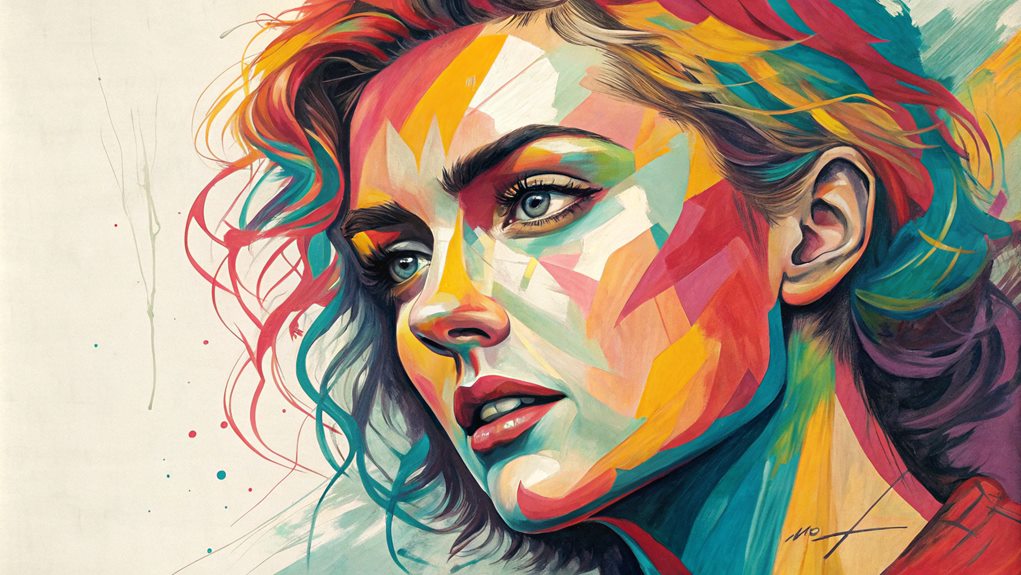
Abstract portrait styles break away from traditional representation, inviting viewers to engage with the essence of the subject rather than a realistic depiction. These styles emphasize emotion, color, and form, allowing for a more personal interpretation of identity. When you explore abstract portraits, you might find that they provoke thought and elicit feelings that a realistic portrait might not.
Here are some key characteristics of abstract portrait styles:
- Bold Colors: Vibrant hues are often used to express the subject's emotions, creating a visual impact that transcends realistic skin tones.
- Geometric Shapes: Artists may employ shapes to represent features, breaking down the human form into elements that suggest rather than define.
- Dynamic Brushwork: Loose and expressive brushstrokes can convey movement and energy, breathing life into the canvas.
Surrealism in Portraiture
Exploring the boundaries of identity and reality, surrealism in portraiture invites viewers into a dreamlike domain where the familiar meets the bizarre. This style challenges your perception of the subject, often distorting features or incorporating unexpected elements that provoke thought and emotion. Surrealist portraits can feature exaggerated proportions or dreamlike settings, drawing you into a world that feels both unsettling and enchanting.
As you engage with these portraits, you might notice how they reflect subconscious thoughts or hidden feelings. Artists like Salvador Dalí and René Magritte often infused their work with symbolism, encouraging you to explore deeper meanings behind the imagery. You'll find that surrealist portraits often blur the line between reality and imagination, prompting you to question what you see.
In this genre, the use of vivid colors and intricate details pulls you into a narrative that feels personal yet universal. The allure of surrealism lies in its ability to evoke emotion while challenging your understanding of identity and existence. When you immerse yourself in these portraits, you set out on a journey that reveals the complexities of the human experience, ultimately expanding your appreciation for the art of portraiture.
Contemporary Portrait Trends
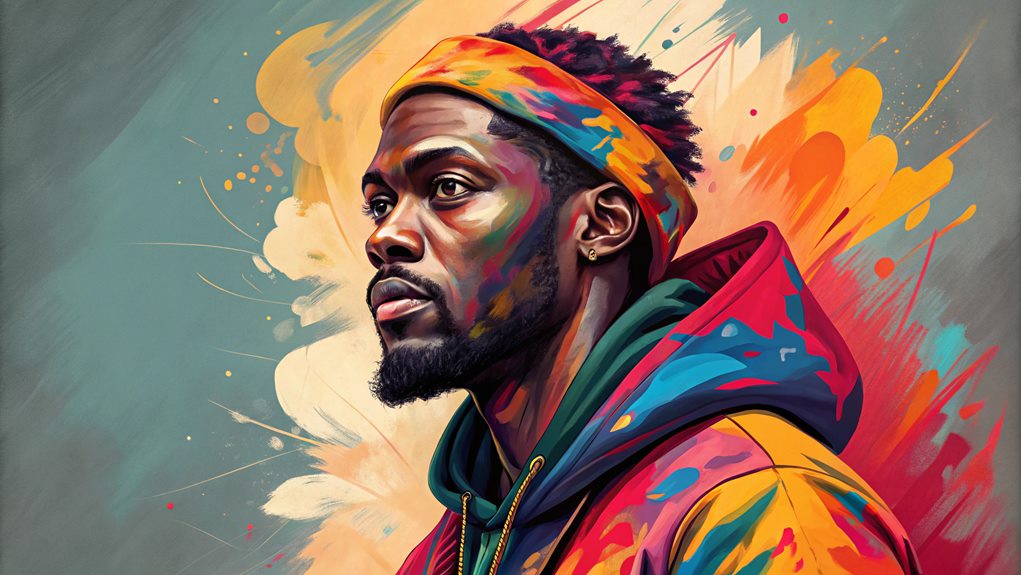
Contemporary portrait trends frequently reflect the diverse influences of our digital age, where technology and social media shape the way we perceive identity. Today, artists are breaking away from traditional forms, embracing innovative techniques and materials. You'll notice a shift in how portraits are created, with many artists incorporating digital tools alongside traditional mediums. This fusion creates a dynamic interplay between reality and virtuality.
Here are some key aspects of contemporary portrait trends:
- Interactive Art: Many artists invite viewers to engage with their work, using augmented reality or social media to create a dialogue around identity.
- Mixed Media: You'll see portraits made from unexpected materials, such as textiles, found objects, or even digital projections, adding layers of meaning and texture.
- Diverse Representation: There's a strong emphasis on inclusivity, showcasing a wide range of identities, cultures, and experiences that challenge conventional beauty standards.
These trends are reshaping the portrait genre, making it more accessible and reflective of the complexities of modern life. As you explore contemporary portraits, you'll find a rich tapestry of narratives that resonate with your own experiences and perspectives.
Cultural Influences in Portraits
Cultural influences play a significant role in shaping portraiture, reflecting the values, beliefs, and traditions of different societies. When you look at portraits from various cultures, you can see how these elements manifest in the style, color, and composition. For instance, in African portraiture, vibrant colors and patterns often symbolize spiritual connections or social status, while in European traditions, realism and attention to detail might represent a focus on individualism and humanism.
You'll notice that the clothing and accessories depicted in portraits can tell you much about the subject's cultural background. In Asian art, for example, the use of specific garments can convey messages about lineage or status. Similarly, the settings chosen for portraits often reflect cultural significance, whether it's a serene landscape or an ornate interior.
Additionally, the techniques used in various cultures, like the use of symbolism in Indigenous art or the influence of religion in Western portraiture, all play an essential part in defining the essence of the artwork. Understanding these cultural influences enriches your appreciation of portraiture and its role in storytelling across different societies.
Read The Next Blog Post –
In the vibrant tapestry of portrait painting, each style weaves its own story, reflecting the heartbeat of its time. You've journeyed through the lifelike details of realism, danced with the colors of Impressionism, and felt the raw emotion of Expressionism. As you explore contemporary trends and cultural influences, remember that every brushstroke captures a fragment of the human experience. So, embrace the art, let it speak to you, and discover the myriad faces of identity that await.