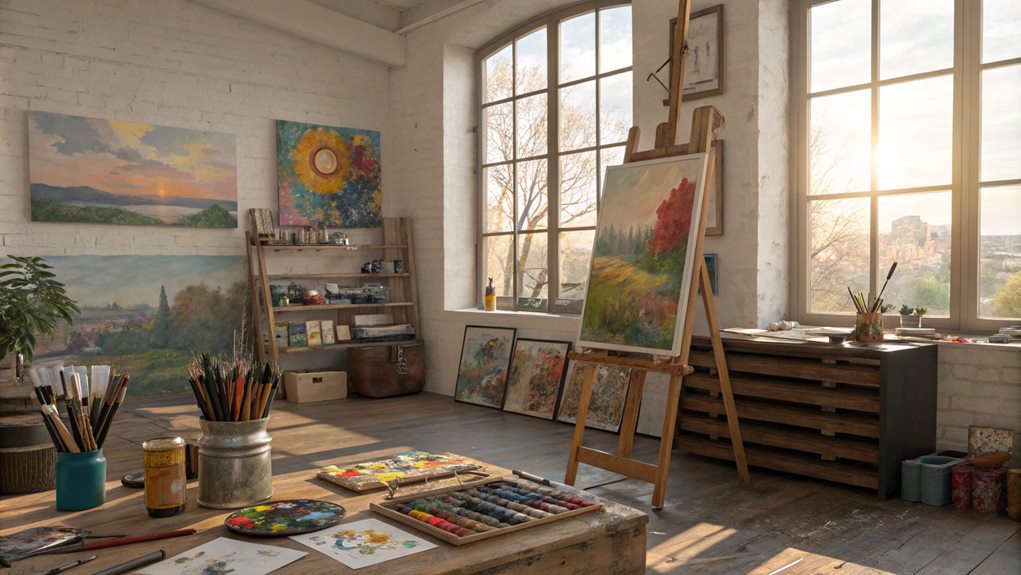


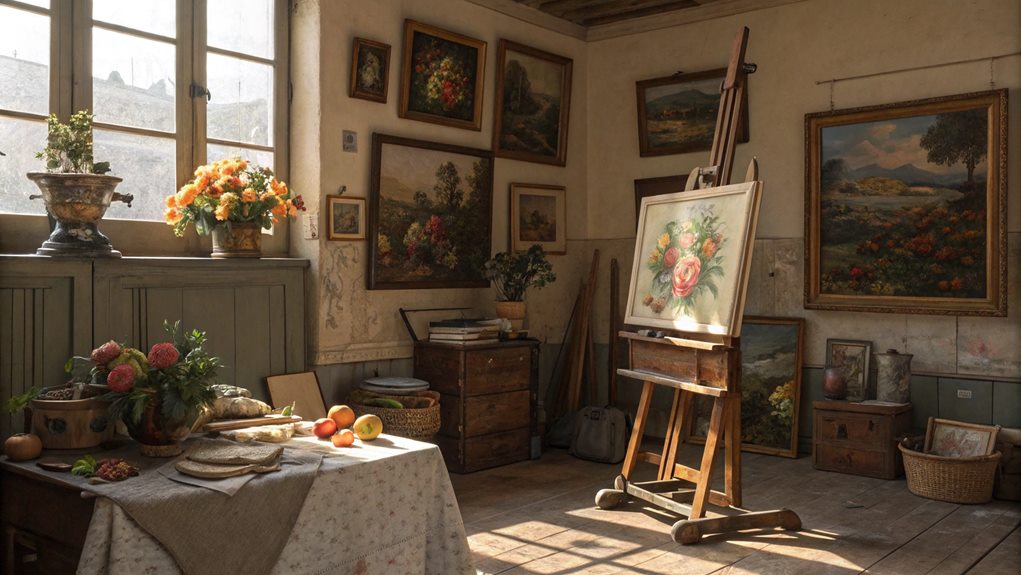
You might think still life paintings are just about fruit and flowers, but they offer much more than simple depictions of objects. These artworks can evoke deep emotions and provoke thought about our existence and the passage of time. By exploring the history and techniques behind still life, you'll uncover layers of meaning that might surprise you. What makes these seemingly mundane arrangements so powerful, and how have artists reinterpreted this genre across different eras?
History of Still Life Art
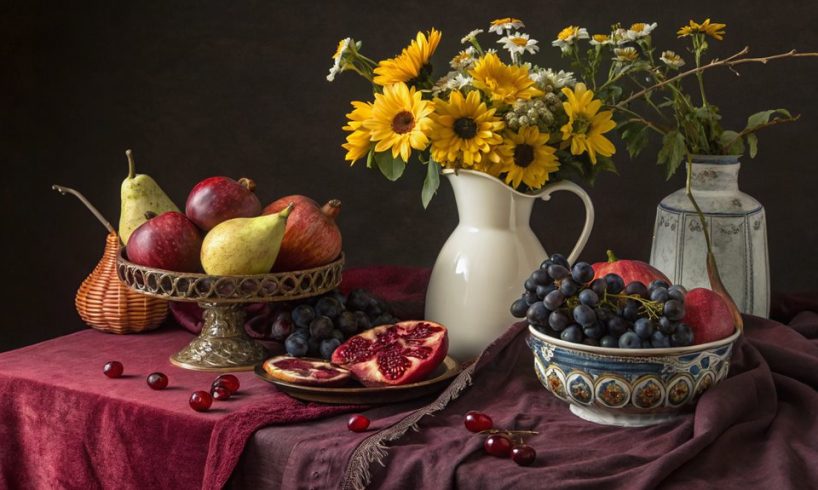
Still life art has a rich history that dates back to ancient civilizations, where artists captured the beauty of everyday objects. You'll find early examples in Egyptian tomb paintings, showcasing food and items meant to accompany the deceased in the afterlife. As you move through history, the genre flourished in the Renaissance, reflecting the era's fascination with nature and material wealth.
During this time, artists like Caravaggio and Giorgio Morandi elevated still life, incorporating intricate details and symbolism. You can see how they used light and shadow to create depth, making ordinary items seem extraordinary. The Baroque period further pushed the boundaries, introducing dramatic compositions that conveyed themes of transience and mortality.
In the 18th and 19th centuries, still life continued to evolve with the rise of Impressionism. Artists like Claude Monet and Édouard Manet explored color and form, shifting the focus from meticulous detail to capturing light and atmosphere. As you investigate the history of still life art, you'll appreciate how it reflects cultural values and artistic movements, revealing a deep connection between objects and their meanings throughout various periods.
Key Elements and Techniques
When creating still life paintings, the composition and arrangement of your subjects are essential for capturing the viewer's attention. You'll also want to pay close attention to color and light techniques, as they can dramatically affect the mood and depth of your artwork. Let's explore how these elements come together to enhance your still life creations.
Composition and Arrangement
Effective composition and arrangement are essential for creating compelling still life paintings that engage viewers. You'll want to focus on how you place objects within the frame to create balance and harmony. Start by considering the focal point of your painting. This is where you want to draw the viewer's eye first.
Next, think about the arrangement of your objects. You can create visual interest by varying the heights, shapes, and sizes of the items. Here are some key tips to keep in mind:
- Rule of Thirds: Divide your canvas into a grid of three horizontal and vertical lines. Place important elements along these lines or at their intersections for a more dynamic composition.
- Leading Lines: Use lines within your arrangement to guide the viewer's eye toward the focal point. This could be a diagonal placement of objects or the natural curves of items like fruit.
- Negative Space: Don't be afraid to leave space around your objects. It can help emphasize the items and create a sense of calm within your painting.
Color and Light Techniques
Incorporating color and light techniques can elevate your still life paintings, adding depth and emotion to your composition. Start by understanding the color wheel; complementary colors create vibrancy while analogous colors offer harmony. Use these relationships to guide your palette and evoke specific moods.
Next, focus on the quality of light. Natural light can bring your objects to life, so consider the time of day and how it changes the scene. Experiment with different light sources, like soft diffused light or harsh shadows, to create contrast and drama.
Don't forget to study how light interacts with surfaces. Reflective surfaces can add excitement, while matte finishes can enhance subtlety. Utilize techniques like glazing, where you layer transparent colors to build richness, or scumbling, which involves applying a lighter color over a dried darker one to create texture.
Famous Still Life Artists
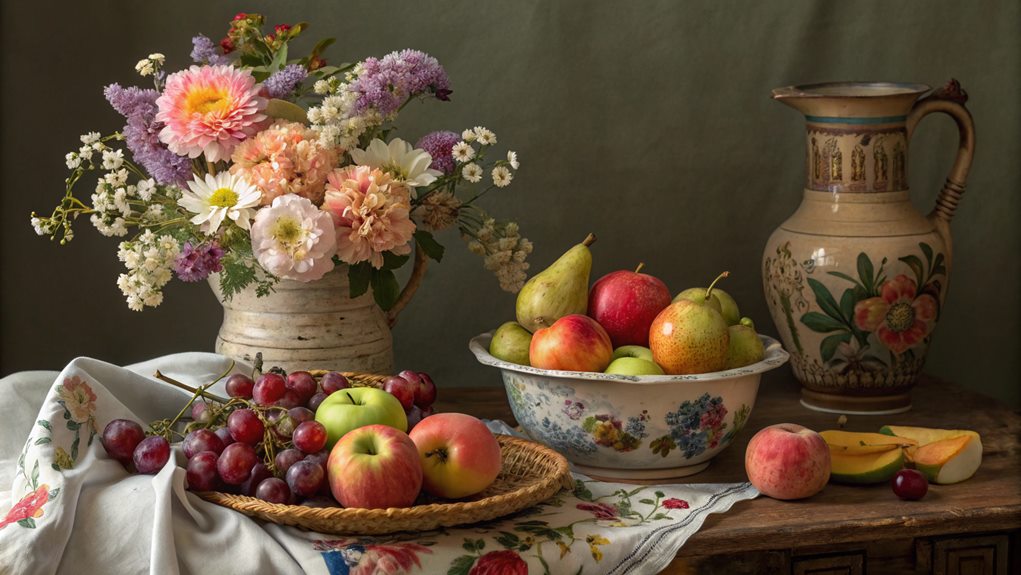
When you think about famous still life artists, a few key historical figures come to mind, like Caravaggio and Cezanne. Their innovative approaches set the stage for contemporary artists who continue to explore this genre today. Let's take a closer look at both the masters of the past and the talents of the present.
Key Historical Figures
Throughout art history, several key figures have shaped the genre of still life painting, each bringing their unique style and vision to the canvas. You'll find that these artists didn't just paint inanimate objects; they infused life and meaning into their compositions, leaving a lasting impact on the art world.
- Jan Davidsz de Heem: Known for his lavish and detailed arrangements, he excelled in capturing the textures and colors of fruits, flowers, and objects, showcasing the beauty of everyday life.
- Paul Cézanne: Often called the father of modern art, his still lifes broke traditional boundaries. He emphasized geometric forms and color relationships, changing how we perceive depth and perspective.
- Georges Braque: A pioneer of Cubism, his still life works are notable for their fragmented forms and innovative use of space, inviting viewers to see familiar objects in new ways.
Each of these artists contributed to the evolution of still life, making it a significant and revered genre in the art world. Their legacies continue to inspire contemporary artists and art enthusiasts alike.
Contemporary Still Life Artists
As the legacy of historical figures in still life painting continues to influence the art scene, contemporary artists are redefining the genre with fresh perspectives and innovative techniques. You'll find that artists like Rachel Ruysch and her modern counterparts, such as Jennifer Steinkamp, are pushing boundaries by incorporating technology and new materials. Ruysch's attention to detail and vibrant color palette have inspired many, while Steinkamp integrates digital projections to create stunning visual experiences.
Take a look at the work of David Hockney, who reinterprets traditional still life with a contemporary twist, using bold colors and abstract forms. His pieces challenge your perception of space and composition. Another artist worth exploring is Alyson Shotz, who blends natural elements with a modern sensibility, often using reflective surfaces to create a dialogue between the artwork and its environment.
You'll discover that these artists are not just capturing objects; they're expressing emotions and ideas, making you reconsider the role of still life in today's society. Their innovative approaches remind us that while still life has deep roots, it's continually evolving, inviting you to engage with it in new ways.
Symbolism in Still Life
Symbolism plays an essential role in still life paintings, often transforming simple objects into profound statements about life, death, and existence. When you observe these artworks, you might notice how artists use everyday items to convey deeper meanings. Each object can serve as a metaphor, inviting you to reflect on various themes.
Consider these common symbols in still life:
- Skulls: Often represent mortality and the fleeting nature of life, reminding you to appreciate the present.
- Flowers: These can symbolize beauty, transience, and sometimes the cycle of life and death, prompting you to think about the impermanence of existence.
- Fruit: Frequently associated with abundance and temptation, fruit can also highlight the idea of decay and renewal.
Evolution of Still Life Styles
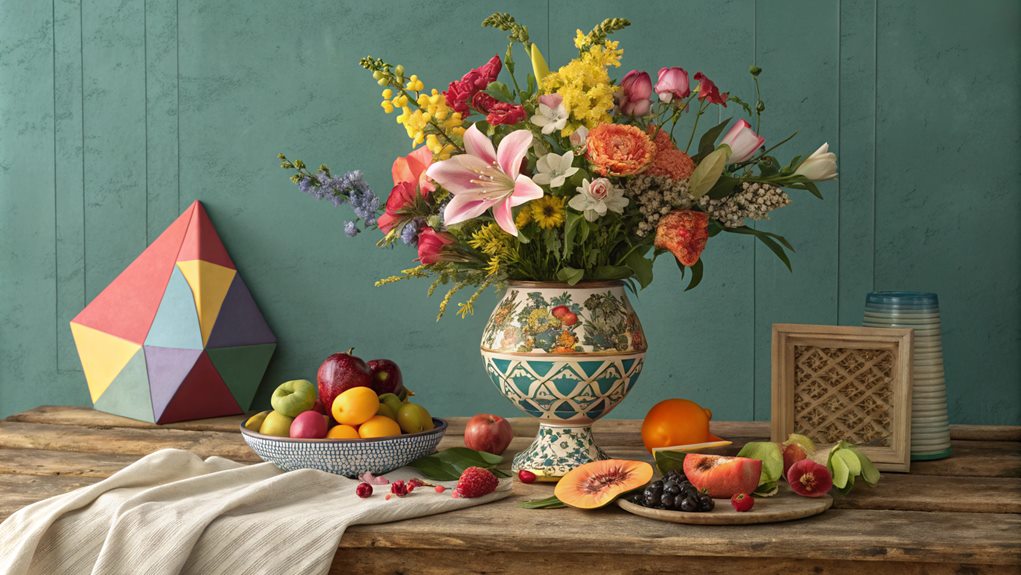
Over time, still life painting has evolved considerably, reflecting changes in culture, technique, and artistic intent. You can trace its origins back to ancient civilizations, where it served practical purposes, often depicting food and household items. As you move through history, you'll notice that the Dutch Golden Age brought a heightened focus on realism and detail, emphasizing the beauty and transience of everyday objects.
In the 18th and 19th centuries, the style shifted into a more romanticized form. Artists began experimenting with composition and light, creating emotional responses through their arrangements. You see this shift in the works of artists like Chardin and Cézanne, who infused a sense of personal connection to their subjects.
The 20th century introduced abstraction and surrealism, challenging traditional forms. Here, artists like Picasso and Braque broke down objects into geometric shapes, offering a new perspective on still life. This evolution showcases not just a change in technique but also a reflection of the times, making you appreciate the layered meanings behind each piece. As you explore still life, you're witnessing a dialogue between the artist and society, capturing the essence of human experience through inanimate objects.
Modern Interpretations and Trends
Modern interpretations of still life paintings have taken on exciting new dimensions, pushing the boundaries of traditional forms. Today, you'll find artists experimenting with various mediums, styles, and concepts, transforming how you perceive this classic genre. The blend of realism with abstract elements creates a fresh perspective that challenges your understanding of form and representation.
You might notice some key trends in modern still life:
- Incorporation of Mixed Media: Artists are using materials like photography, digital art, and found objects to create dynamic compositions that engage multiple senses.
- Cultural Commentary: Many contemporary artists use still life to address social, political, or environmental issues, infusing ordinary objects with deeper meanings that resonate with current events.
- Minimalism and Abstraction: There's a growing trend toward minimalistic arrangements that focus on shape, color, and texture, inviting you to appreciate the beauty in simplicity.
Techniques for Creating Still Life
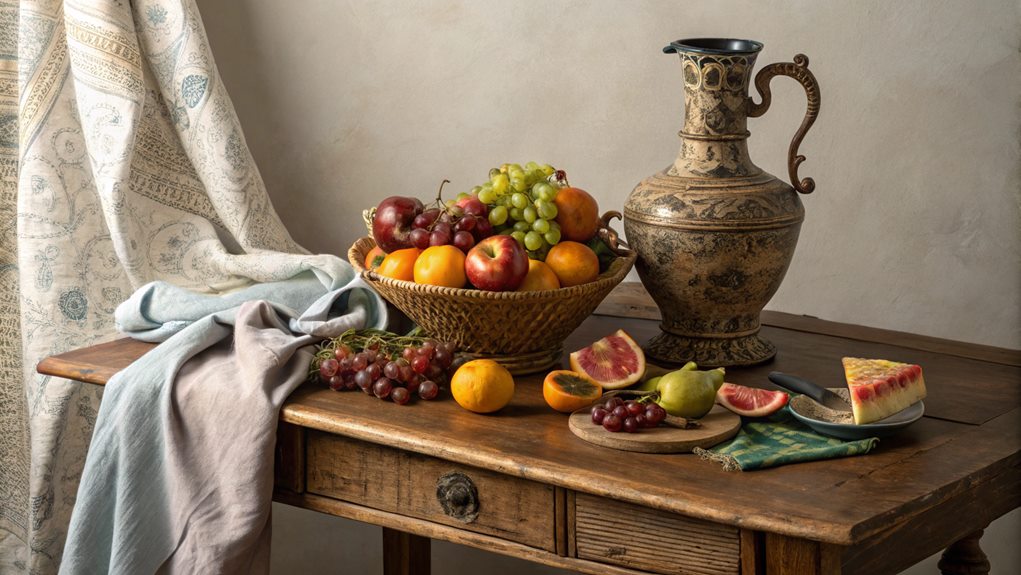
Creating still life paintings can be an incredibly rewarding experience, and mastering a few essential techniques can elevate your work. Start by selecting a strong composition; arrange your objects in a way that draws the eye and creates balance. Use the rule of thirds to guide your placement and make the scene more dynamic.
Next, pay attention to lighting. Natural light works wonders, so try positioning your setup near a window. Observe how light interacts with your objects, creating highlights and shadows, and replicate this in your painting to add depth.
When it comes to color, consider using a limited palette. This not only simplifies your process but also helps in creating harmony within the painting. Mix your colors thoughtfully, allowing for subtle variations that mimic the real objects.
Lastly, practice your brushwork. Experiment with different techniques like glazing or scumbling to achieve texture and richness. Don't shy away from layering; it can create a sense of realism that captivates viewers. Remember, patience and practice are key. With these techniques, you'll find yourself creating still life paintings that truly resonate.
Appreciating Still Life Today
Still life continues to captivate audiences today, serving as a bridge between the past and contemporary art. You'll find that these paintings allow you to appreciate the beauty of everyday objects, transforming the ordinary into the extraordinary. By examining the intricate details and thoughtful compositions, you can uncover layers of meaning and emotion that resonate with modern life.
To fully appreciate still life in today's context, consider these approaches:
- Explore Contemporary Artists: Seek out current artists who put a fresh spin on still life. They often incorporate unexpected materials and themes that reflect today's society.
- Visit Galleries and Museums: Experience still life in person. Observing artworks up close can deepen your understanding of techniques and the artist's intent.
- Create Your Own: Try your hand at creating a still life arrangement. This hands-on experience helps you connect with the artistic process and develop your own perspective on beauty.
Read The Next Blog Post –
In exploring still life paintings, you discover that beauty often lies in the ordinary. As the saying goes, "The devil is in the details," reminding us that the small elements within these artworks can reveal profound truths about life and mortality. By appreciating the intricate compositions and rich symbolism, you invite a deeper understanding of both the art and the world around you. So, take a moment to reflect and let these timeless pieces inspire your perspective on everyday life.