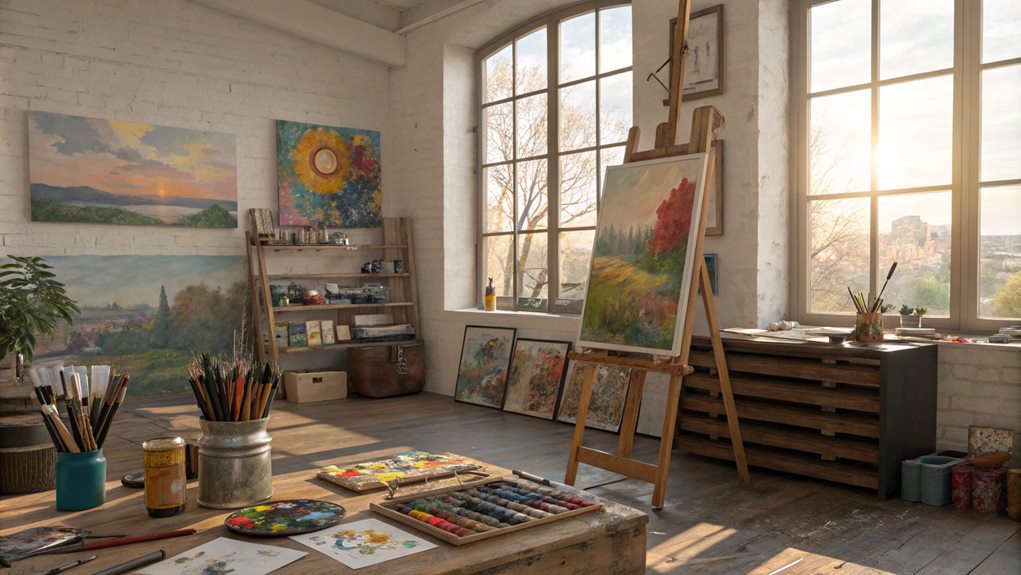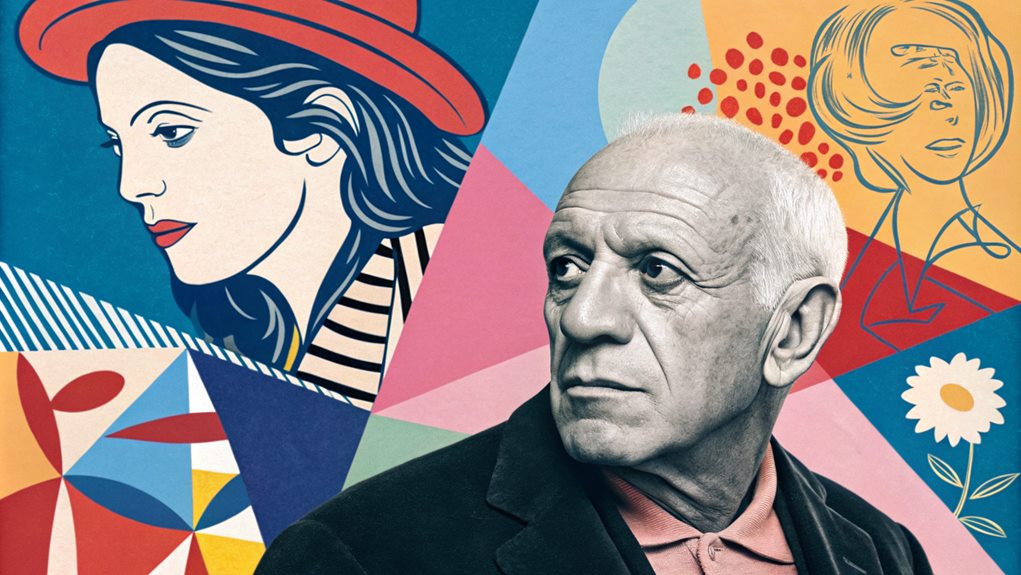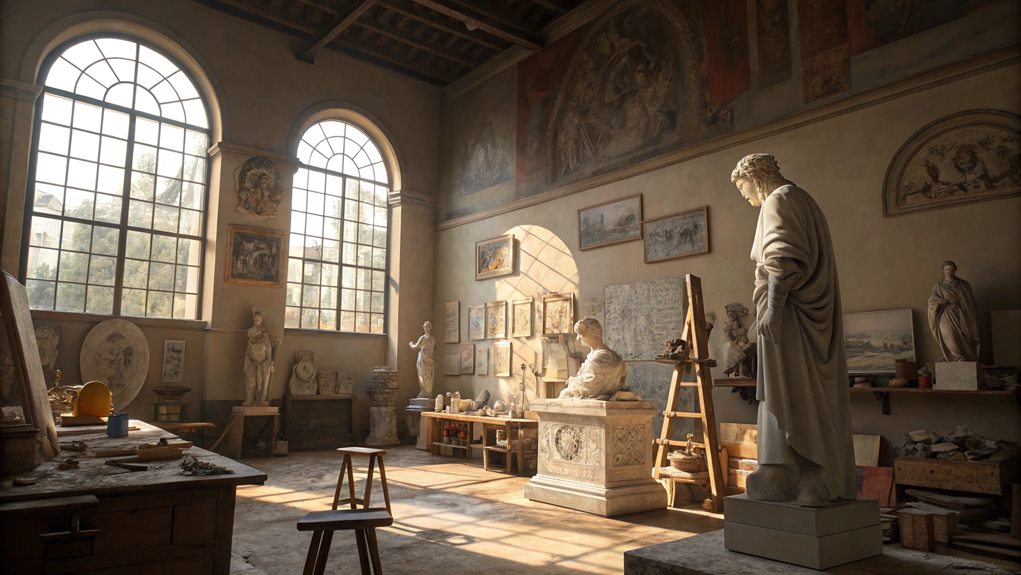


Is it true that the greatness of art can be traced back to a handful of influential figures? As you explore the legacies of artists like da Vinci and Picasso, you might find that their innovations not only shaped their own times but also laid the groundwork for future generations. Each movement, from the emotional intensity of Baroque to the vibrant expressions of contemporary art, reveals a complex interplay of ideas and cultural shifts. What might these connections tell you about the evolving nature of creativity and its impact on society?
The Renaissance Masters
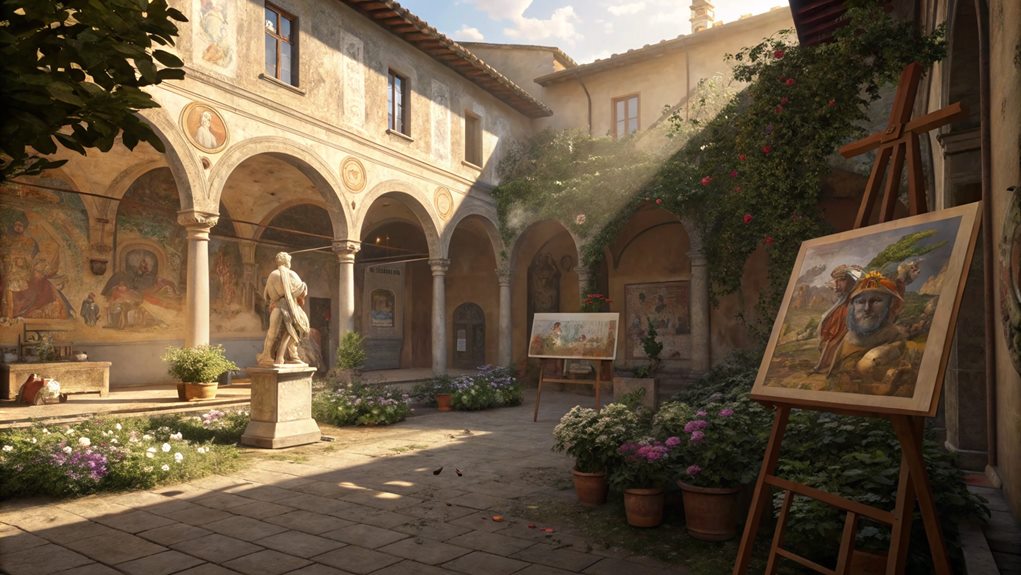
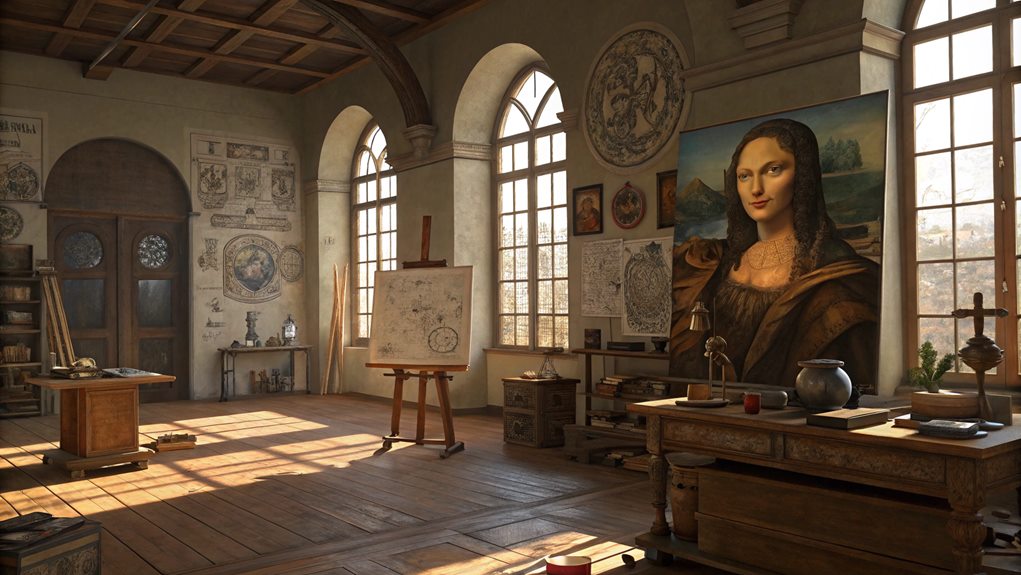
The Renaissance Masters, including iconic figures like Leonardo da Vinci, Michelangelo, and Raphael, transformed the art world in the 15th and 16th centuries. You can see how their genius reshaped artistic expression and techniques. Da Vinci's meticulous attention to detail and innovative use of chiaroscuro brought a lifelike quality to his work. When you look at the "Mona Lisa," you can almost feel her gaze following you, a demonstration of da Vinci's mastery.
Michelangelo, on the other hand, pushed the boundaries of sculpture and painting. His work on the Sistine Chapel ceiling showcases not just his technical skill but also his profound understanding of human anatomy and emotion. You can't help but be awed by the dynamic poses of figures like "The Creation of Adam."
Raphael's harmonious compositions and serene expressions set new standards for beauty and balance in art. When you explore his "School of Athens," you'll notice how he masterfully blends classical philosophy with Renaissance ideals.
These masters didn't just paint; they redefined the relationship between art and humanity, leaving a legacy that still inspires artists today. Their influence permeates through centuries, reminding you of the power of creativity.
Baroque Innovators
Following the Renaissance, a new wave of creativity emerged with Baroque innovators who took the world of art to even greater heights. You'll notice how these artists embraced emotion, drama, and movement, crafting works that pulled viewers into their narratives. Think of Caravaggio, whose intense chiaroscuro created striking contrasts of light and shadow, making his scenes feel almost alive. His ability to convey human emotion left a lasting impact on the art world.
Then there's Peter Paul Rubens, a master of dynamic compositions and vibrant colors. You can see how he celebrated the human form and infused energy into his paintings, often depicting mythological and historical subjects with a sense of grandeur.
Don't overlook Rembrandt, either. His profound explorations of light and human character offer a deep intimacy that invites you to ponder the complexities of life.
These innovators didn't just follow trends; they challenged conventions, experimenting with techniques and themes that resonated with the human experience. Their influence continues to inspire artists today, reminding you that true innovation in art often lies in the willingness to push boundaries.
Impressionist Trailblazers
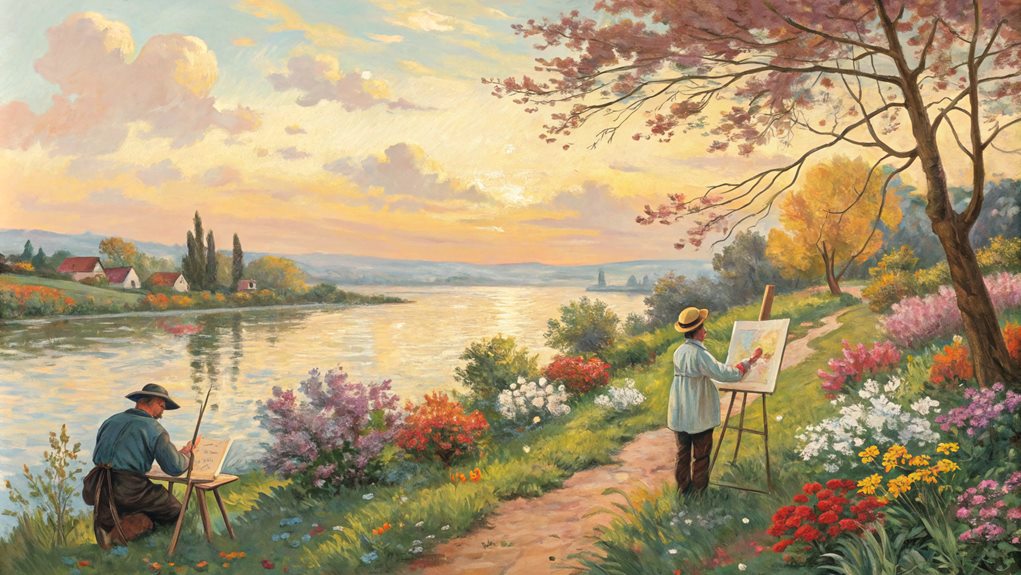
When you think of Impressionist trailblazers, you're stepping into a world where light and color transform landscapes and everyday scenes. These pioneers pushed boundaries and forever changed how we perceive art, laying the groundwork for modern artistic movements. Their innovative techniques continue to inspire artists today, making their contributions invaluable.
Pioneers of Light and Color
Although many artists have explored light and color, the Impressionists revolutionized how we perceive these elements in art. You can see this transformation clearly in the works of pioneers like Claude Monet and Pierre-Auguste Renoir. They broke away from traditional techniques, choosing instead to paint en plein air, capturing the fleeting effects of light and atmosphere.
Monet's series of water lilies and haystacks showcases how he manipulated color to reflect changing light throughout the day. You'll notice that his brushstrokes are loose and vibrant, emphasizing the essence of the scene rather than its details. Similarly, Renoir's portraits radiate warmth and life, as he expertly captured the interplay of sunlight on skin and fabric.
These artists didn't just paint what they saw; they painted how they felt in response to their surroundings. Their innovative approaches encouraged you to focus on the emotional experience of color and light, rather than just the subject matter. By doing this, the Impressionists paved the way for future artistic movements, creating a lasting legacy that continues to inspire and inform your understanding of light and color in art today.
Impact on Modern Art
The Impressionists' groundbreaking techniques have profoundly shaped modern art, influencing countless artists and movements that followed. When you look at their work, you can see how they broke away from traditional methods, choosing to capture fleeting moments with bold brushstrokes and vibrant colors. This approach encouraged a more personal and emotional expression, paving the way for future art movements like Post-Impressionism and Expressionism.
You might notice how artists today still draw from the Impressionists' legacy. Their emphasis on light and atmosphere inspires contemporary painters and photographers alike. By embracing spontaneity and the beauty of everyday life, they've challenged you to see the world through a different lens.
Additionally, the Impressionists' focus on plein air painting—working outdoors—has led to a greater appreciation for natural settings in art. This connection with nature remains a crucial theme in modern art, as you can see in the works of many environmental artists today.
In short, the Impressionists didn't just change how art looks; they transformed how you experience it. Their influence resonates, reminding you that art is an evolving dialogue with the world around you.
Modern Art Visionaries
Modern art visionaries have reshaped the way we perceive creativity, pushing boundaries and challenging norms. These artists aren't just creators; they're innovators who explore new mediums, styles, and ideas that provoke thought and discussion. You'll find their work often defies traditional artistic conventions, inviting you to reconsider what art can be.
Consider figures like Pablo Picasso, whose groundbreaking contributions to Cubism transformed representation and perspective in art. His ability to fragment and rearrange forms invites you to see subjects from multiple angles, reflecting the complexities of modern life. Then there's Jackson Pollock, whose drip painting technique redefined the act of painting itself, turning it into a performance and emphasizing spontaneity.
Modern art visionaries also explore themes of identity, culture, and technology, reflecting the rapidly changing world around us. They challenge societal values and encourage you to engage with uncomfortable truths. By breaking down barriers, these artists inspire you to think critically about the world and your place in it. Embrace their visions, and you'll discover a richer, more diverse landscape of creativity that continues to evolve.
Female Pioneers in Art
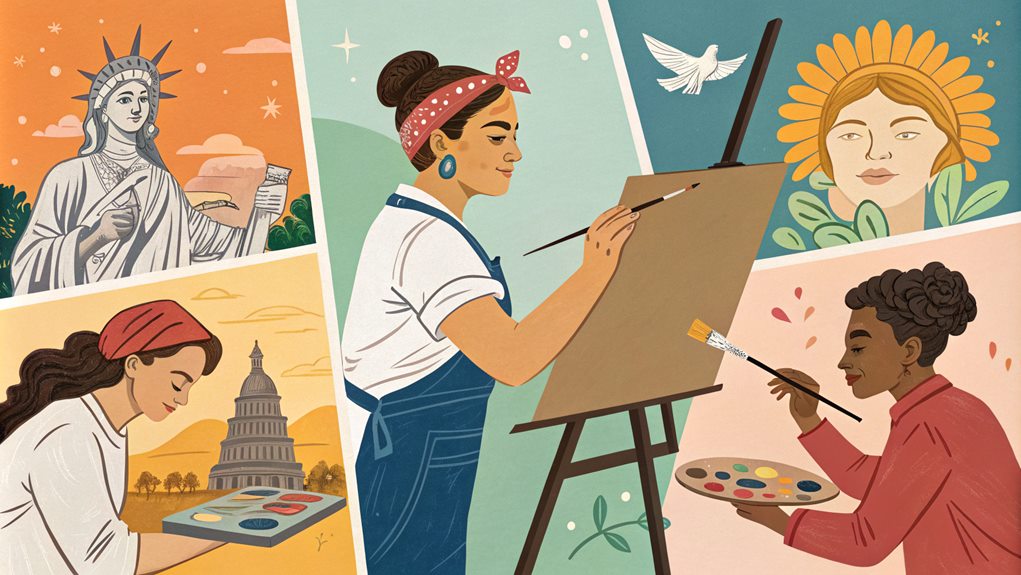
As you explore the world of art, you'll discover how female pioneers have made impactful contributions that shaped the landscape. These artists didn't just create; they challenged gender norms and opened doors for future generations. Their legacies invite you to appreciate the strength and creativity women bring to the art world.
Impactful Contributions to Art
Throughout history, numerous female artists have made groundbreaking contributions that reshaped the art world. These pioneers challenged conventional views and brought fresh perspectives to various artistic movements. You might be surprised to learn that artists like Artemisia Gentileschi and Georgia O'Keeffe not only excelled in their craft but also paved the way for future generations.
Gentileschi, known for her powerful depictions of women from mythology and the Bible, utilized her art to express her own experiences and emotions. Her work resonated deeply, showcasing the strength and resilience of women long before it became a mainstream theme. O'Keeffe, on the other hand, brought abstract forms and vibrant colors to life, emphasizing the beauty of the American landscape and flowers in a way that had never been seen before.
You can't overlook the impact of artists like Frida Kahlo, who used her personal pain and identity to challenge societal norms through self-portraits that reveal vulnerability and strength. Each of these women left an indelible mark on art, inspiring countless others to express themselves and explore their identities through creativity. Their legacies continue to shape the art world today.
Challenging Gender Norms
The fight against gender norms in the art world has a rich history, with female pioneers leading the charge. These trailblazers broke barriers, challenged societal expectations, and reshaped the art landscape. Their determination and talent have paved the way for future generations of women artists, inspiring you to embrace your own creative journey.
Consider the impact of these remarkable women:
- Georgia O'Keeffe: Often dubbed the "Mother of American modernism," she transformed perceptions of femininity through her bold landscapes and flower paintings.
- Frida Kahlo: With her deeply personal and symbolic works, she explored identity and experience, defying traditional gender roles and asserting her voice.
- Yayoi Kusama: Known for her immersive installations and polka dots, she challenges norms around mental health and femininity in a male-dominated art world.
These artists didn't just create art; they sparked conversations and provoked thought. By challenging gender norms, they've shown you that creativity knows no gender. Their legacies remind you that your voice matters, and your perspective can reshape the narrative in the art world. Embrace your uniqueness and let it shine!
Contemporary Artists to Watch
While art constantly evolves, some contemporary artists are making waves that you won't want to miss. One such artist is Yayoi Kusama, whose immersive installations and polka-dot motifs challenge perceptions of infinity and self-identity. You'll find her work enchanting, as it invites a deeper reflection on your existence within vast spaces.
Another artist to keep an eye on is Kehinde Wiley. Known for his vibrant portraits that celebrate Black identity, Wiley reimagines classical portraiture, placing contemporary subjects in historical contexts. You can't help but admire how he merges history with modern narratives.
Don't overlook the innovative practices of Ai Weiwei, a powerhouse in activism through art. His thought-provoking installations and social commentary will inspire you to think critically about society and politics.
Lastly, check out the work of Julie Mehretu, whose large-scale paintings blend geography, history, and abstraction. You'll appreciate her ability to create visual narratives that resonate with urban experiences.
These artists not only push boundaries but also enrich the dialogue around contemporary art. Keeping an eye on their work will certainly broaden your understanding of the art world today.
Global Influences in Art
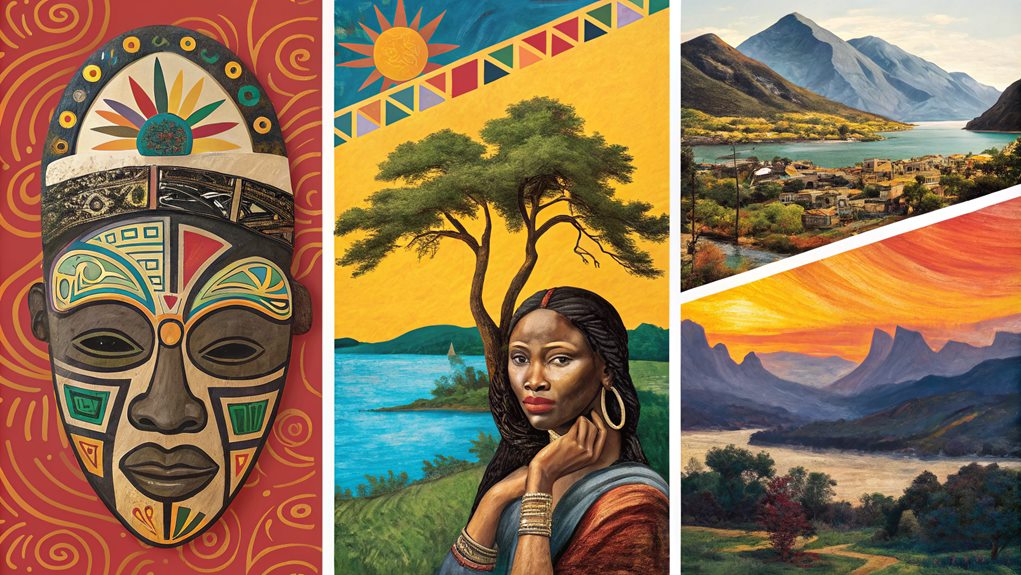
Art isn't confined to individual expression; it's shaped by a rich tapestry of global influences that reflect diverse cultures and histories. As you explore the art world, you'll notice how interconnected it truly is. Artists draw inspiration from their surroundings, historical events, and cultural practices, blending various elements into their work. This fusion creates a dialogue between different artistic traditions, enriching the experience for everyone.
Consider these global influences:
- Cultural Exchange: Artists often travel, absorbing new ideas and techniques that they incorporate into their own work.
- Colonial History: The impact of colonialism can be seen in the way artists merge indigenous and foreign styles, creating unique perspectives.
- Technological Advancements: Innovations in technology enable artists to experiment with new mediums and spread their work across the globe.
The Future of Artistic Expression
As we look ahead, the landscape of artistic expression is poised for transformation. Technology is driving this change, enabling you to explore new mediums that blend the digital and physical domains. Virtual reality, augmented reality, and artificial intelligence are becoming tools for artists, allowing you to create immersive experiences that challenge traditional boundaries.
You can also expect collaboration to soar, as artists from diverse backgrounds unite to tackle global issues. This collective approach fosters innovation and gives voice to underrepresented communities. Social media platforms will continue to democratize art, making it accessible to everyone, regardless of location or means.
Moreover, sustainability is becoming a central theme. You're likely to see more artists embracing eco-friendly materials and practices, reflecting a growing awareness of environmental issues. Art will serve not just as a means of personal expression but also as a catalyst for social change.
Ultimately, the future of artistic expression is in your hands—filled with endless possibilities. As you navigate this evolving landscape, remember that your creativity can inspire, provoke thought, and bridge divides, shaping a richer cultural dialogue for generations to come.
Read The Next Blog Post –
As you explore the vibrant tapestry of art history, you'll discover how each artist, like a thread in a grand tapestry, weaves their unique vision into the collective narrative. From the precision of the Renaissance to the bold strokes of modernity, every movement reflects humanity's ever-evolving journey. Embrace the myriad influences and voices that shape our world today, for the future of artistic expression is not just bright—it's a kaleidoscope of possibilities waiting to unfold.