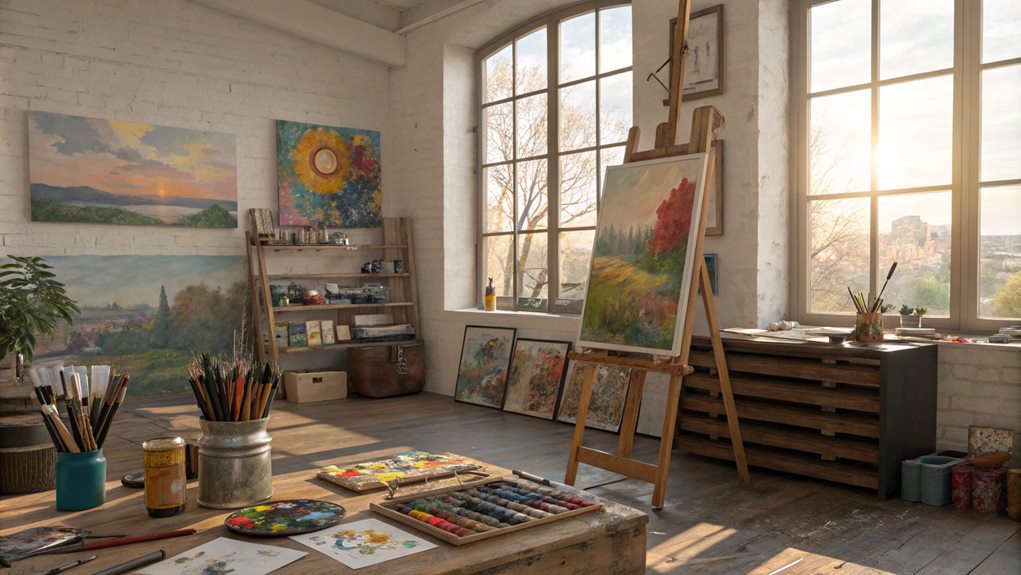


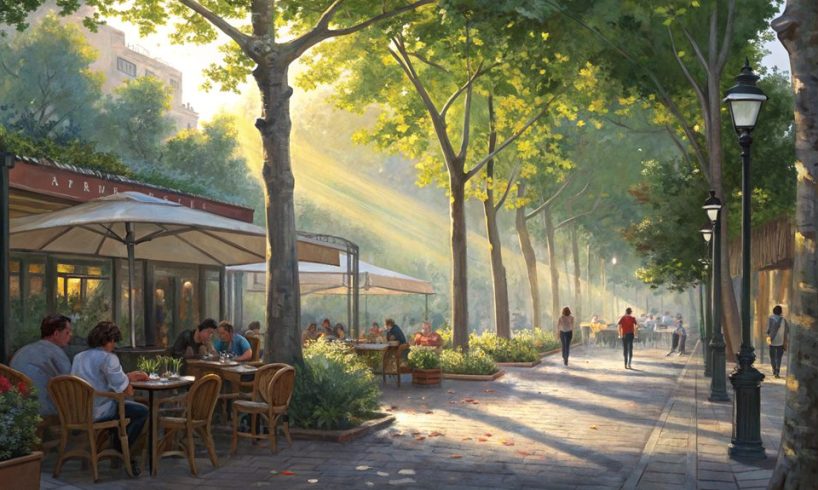
You might consider how Impressionism set the stage for modern art by shifting the focus from strict realism to a more emotional and subjective approach. This movement didn’t just change techniques; it transformed how artists perceive and interact with their surroundings. As you explore the connections between Impressionist practices and contemporary artistic expressions, you’ll find intriguing parallels that challenge traditional boundaries. What might this mean for the future of art?
Origins of Impressionism
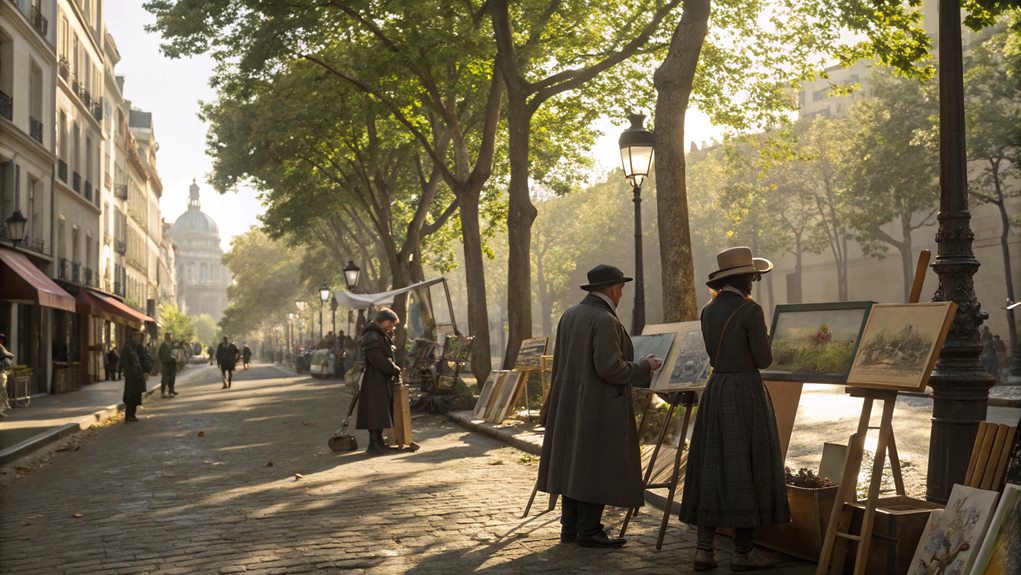
In the late 19th century, a group of artists in France began to challenge traditional approaches to painting, laying the groundwork for what we now call Impressionism. You’ll find names like Claude Monet, Pierre-Auguste Renoir, and Edgar Degas among these innovators, each pushing boundaries and rethinking the role of light and color. Instead of adhering to strict forms and realistic depictions, they embraced spontaneity and the transient effects of light on landscapes and everyday scenes.
You might notice that these artists often worked outdoors, capturing moments as they unfolded, which was quite revolutionary at the time. Their choice of subject matter reflected a shift toward the ordinary, focusing on leisure activities, urban life, and natural settings. This approach contrasted sharply with the grand historical and mythological themes that dominated earlier art.
As you explore Impressionism’s origins, consider how these artists formed groups and exhibited together, defying conventional norms. Their struggles and successes paved the way for future movements, forever changing the landscape of art. So, next time you look at an Impressionist painting, remember the bold choices that started it all.
Key Characteristics of Impressionism
One of the defining characteristics of Impressionism is its focus on capturing the effects of light and color in a fleeting moment. You’ll notice how Impressionist artists often painted en plein air, or outdoors, to directly observe and depict their subjects in natural light. This technique allowed them to portray the ever-changing qualities of light, which adds a sense of immediacy to their works.
Brush strokes in Impressionist paintings are typically loose and visible, giving a sense of movement and spontaneity. You might find that colors are used side by side rather than blended, creating vibrant contrasts that enhance the overall luminosity of the scene. Instead of focusing on fine details, Impressionists often emphasized the overall atmosphere and sensation of a moment.
Additionally, subject matter in Impressionism tends to revolve around everyday life, landscapes, and urban scenes. You’ll see that artists like Monet and Degas captured candid moments, inviting you to experience the world as they did. This emphasis on personal perception and emotional response offers a fresh perspective, making Impressionism a revolutionary movement that invites you to see the beauty in the ordinary.
Impressionism’s Influence on Modern Art
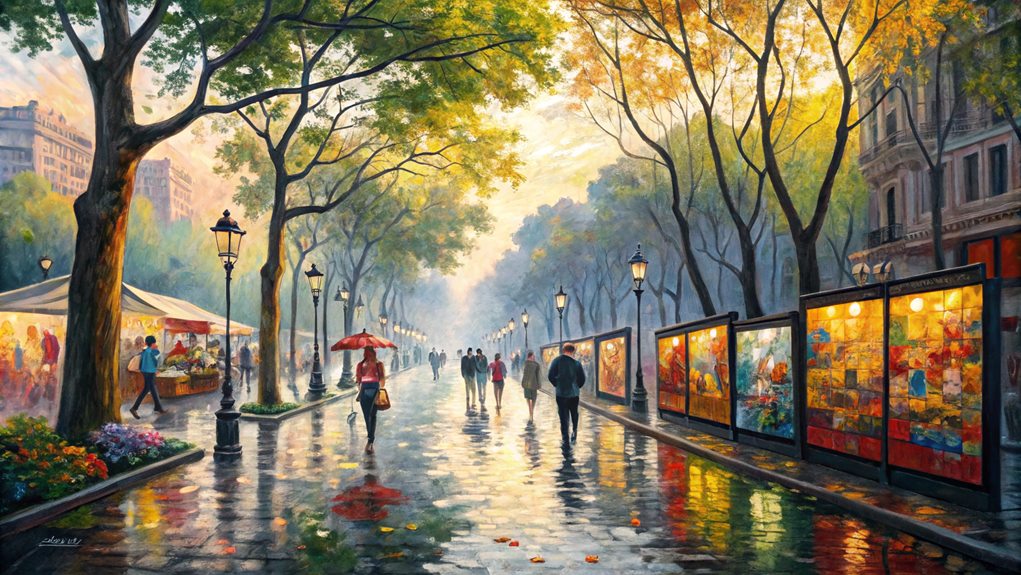
When you look at modern art, you can see how Impressionism shaped techniques and styles. The way artists use color and light today often echoes that revolutionary approach, inviting you to feel rather than just see. Emotional expression has also evolved, with many contemporary artists drawing inspiration from the Impressionist movement to convey their own unique experiences.
Techniques and Styles
Many artists today draw inspiration from the techniques and styles established by Impressionism, which revolutionized the way we perceive light, color, and movement in art. You’ll notice that many contemporary artists employ quick, loose brushwork, reminiscent of the Impressionists, to capture fleeting moments and emotions. This approach allows you to experience the spontaneity of a scene, inviting you to feel the energy and vibrancy of life.
Additionally, artists often embrace a more subjective interpretation of reality, focusing on personal perception over strict representation. By doing this, they create a sense of immediacy that resonates with viewers, engaging you on a deeper emotional level.
You might also see a mix of perspectives and compositions that challenge traditional norms. This experimentation encourages you to rethink how you see the world around you. With an emphasis on everyday subjects, artists are inspired to explore themes that reflect modern life, much like the original Impressionists did in their time.
Ultimately, these techniques and styles continue to evolve, proving that Impressionism’s legacy remains an essential force in shaping contemporary art practices. Through this lens, you can appreciate the ongoing dialogue between past and present in the art world.
Color and Light
Impressionism fundamentally changed how artists approach color and light, and this influence is palpable in modern art. You’ll notice that contemporary artists often embrace bold, vibrant colors, breaking away from the muted palettes of previous styles. This shift encourages you to see color not just as a descriptive tool, but as a means to evoke mood and atmosphere.
In modern works, you can observe the use of unconventional color combinations that challenge traditional norms. Artists often apply pure colors side by side, allowing the viewer’s eye to blend them, much like the Impressionists did. This technique creates a sense of dynamism and immediacy, drawing you into the artwork.
Light also plays a significant role in modern art. Rather than depicting light as a source illuminating scenes, many artists explore its effects and interactions with color. You’ll find works that capture fleeting moments of light, reminiscent of how Impressionists portrayed sunlight dancing on water or filtering through trees.
As you explore the vibrant world of modern art, you’ll appreciate how the Impressionist legacy continues to inspire innovative approaches to color and light, inviting you to experience art in a more immersive way.
Emotional Expression
Emotional expression serves as a cornerstone of modern art, deeply rooted in the innovations brought by Impressionism. You can see how artists like Monet and Degas shifted focus from realistic depictions to capturing feelings and fleeting moments. They emphasized personal experience over mere representation, allowing you to connect with the artwork on a deeper level.
This emphasis on emotion paved the way for later movements, such as Expressionism, where artists pushed boundaries even further. You’ll notice that modern artists often prioritize conveying mood and emotion rather than adhering to traditional techniques. This shift encourages you to interpret art through your own lens, making the experience uniquely personal.
When you look at modern works, you might find that the brushstrokes, colors, and forms communicate feelings just as powerfully as any subject matter. Whether it’s the vibrant chaos of a Pollock or the stark simplicity of a Rothko, these pieces evoke strong sentiments.
In this way, Impressionism’s legacy lives on, reminding you that art isn’t just about what you see; it’s about what you feel. Embrace the emotional journey that modern art offers, and allow it to resonate with your own experiences.
Techniques Borrowed From Impressionism
The vibrant brushwork and innovative color palettes of Impressionism have influenced countless artists across various movements, shaping modern art in profound ways. You can see the echoes of Impressionistic techniques in the way contemporary artists approach their work. One of the most notable techniques is the use of broken color, where small strokes of pure color are applied side by side to create a sense of light and movement. This method allows you to experience the artwork in a new way, inviting you to engage with the painting more intimately.
Additionally, the emphasis on capturing fleeting moments and the play of light has led many artists to explore similar themes. You might also notice the use of unconventional perspectives and compositions, breaking away from traditional norms.
Here are some impactful techniques you can appreciate:
- Layering colors for depth and vibrancy
- Painting en plein air to capture the essence of a moment
- Using bold, expressive brushstrokes to convey emotion
- Experimenting with light and shadow for dramatic effects
- Focusing on everyday scenes, making art relatable and accessible
These techniques continue to resonate, encouraging you to explore the beauty in everyday life.
Notable Modern Artists Inspired by Impressionism
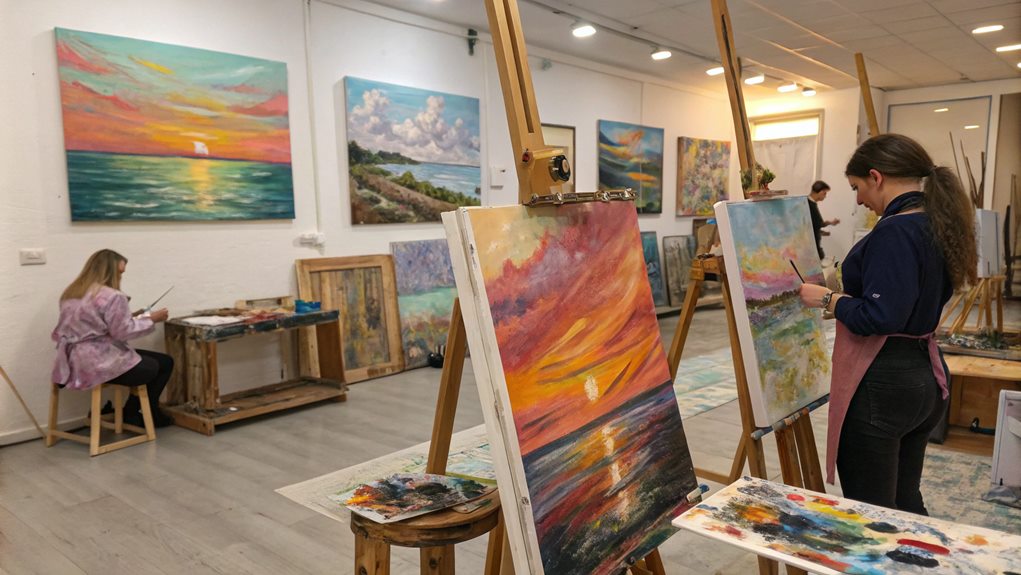
Impressionism’s legacy continues to shape modern artists today, influencing their use of color and light. You’ll see how these techniques create emotional expressions that resonate deeply with viewers. Let’s explore some notable artists who have drawn inspiration from this vibrant movement.
Legacy of Impressionism
Inspired by the vibrant brushstrokes and innovative techniques of Impressionism, many modern artists have embraced its legacy, transforming the art world in remarkable ways. You can see how these artists draw from the emotional depth and spontaneity that Impressionism offers, infusing their own unique styles into this rich tradition.
When you explore the works of these modern creators, you’ll notice several common threads:
- A celebration of everyday life, capturing fleeting moments that resonate with your own experiences.
- A focus on light and color, stirring feelings that transport you to different times and places.
- An emphasis on personal expression, inviting you to connect on a deeper level with the artist’s vision.
- A break from traditional forms, encouraging you to embrace the beauty of imperfection and spontaneity.
- A sense of community, as these artists often collaborate and inspire one another, creating a vibrant artistic dialogue.
This legacy continues to influence not just painters, but also photographers, designers, and even filmmakers, reminding you of the enduring power of Impressionism in shaping modern creativity.
Color and Light Techniques
Modern artists draw heavily on the color and light techniques pioneered by Impressionists, using them to create dynamic and evocative works that speak to contemporary audiences. You’ll notice that these artists often employ vibrant palettes, layering colors to achieve depth and luminosity. Just like the Impressionists, they explore natural light’s effects throughout the day, capturing fleeting moments with a flick of their brush.
Take, for instance, the works of Claude Monet. His influence can be seen in modern artists who focus on the interplay between light and color, such as the color-field painters. They strip away detail, concentrating instead on the emotional resonance of color. This technique allows you to feel the mood of a scene without the distraction of form.
Another example is the way contemporary artists like Christopher Wool utilize color to create tension and movement in their pieces. You’ll find that they often employ staccato brushstrokes or bold color contrasts to evoke a sense of energy, reminiscent of Impressionist spontaneity.
In your exploration of modern art, keep an eye out for these techniques—they’ll deepen your appreciation of how Impressionism continues to inspire and innovate.
Emotional Expression in Art
Emotional expression in art has evolved considerably, with many notable artists drawing from the Impressionist legacy to convey deep feelings and personal experiences. You might notice how these modern artists embrace the spontaneity and vivid color palettes of Impressionism, yet they push boundaries to evoke more profound emotional responses. They often capture fleeting moments, using brushstrokes that seem to dance across the canvas, inviting you into their world of emotion.
Consider how these elements draw you in:
- Vibrant colors that mirror the intensity of joy or sorrow.
- Dynamic brushwork creating a sense of movement and urgency.
- Contrasting light and shadow to express inner turmoil or peace.
- Subjective interpretations that reflect personal narratives and struggles.
- Symbolic imagery that resonates with universal themes of love, loss, and hope.
Through these techniques, artists like Van Gogh and Matisse inspire you to explore your own emotions. Their works remind you that art isn’t just about aesthetics; it’s about connection, empathy, and the shared human experience—each stroke a heartbeat, each color a whisper of feeling.
Impressionism and Abstract Art
Impressionism and abstract art share a fascinating relationship that transcends traditional boundaries of representation. As you investigate this connection, you’ll notice how the loose brushwork of Impressionism laid the groundwork for the more radical explorations of abstraction. Impressionist artists like Monet and Renoir focused on capturing fleeting moments and the effects of light, while abstract artists pushed those ideas further, stripping away recognizable forms to emphasize emotion and sensation.
You might find that both movements prioritize the subjective experience over precise depiction. They challenge you to engage with the artwork on an emotional level, prompting you to interpret colors and shapes without the constraints of realism. In fact, the spontaneity in Impressionism often parallels the freedom found in abstract art, where the act of painting becomes as significant as the final product.
As you examine this relationship, consider how both styles invite you to see the world differently. They encourage you to appreciate the beauty in imperfection and the complexity of human perception. By understanding their connection, you’ll gain a deeper appreciation for how Impressionism paved the way for the evolution of modern art into the abstract domain.
The Role of Color in Modern Art
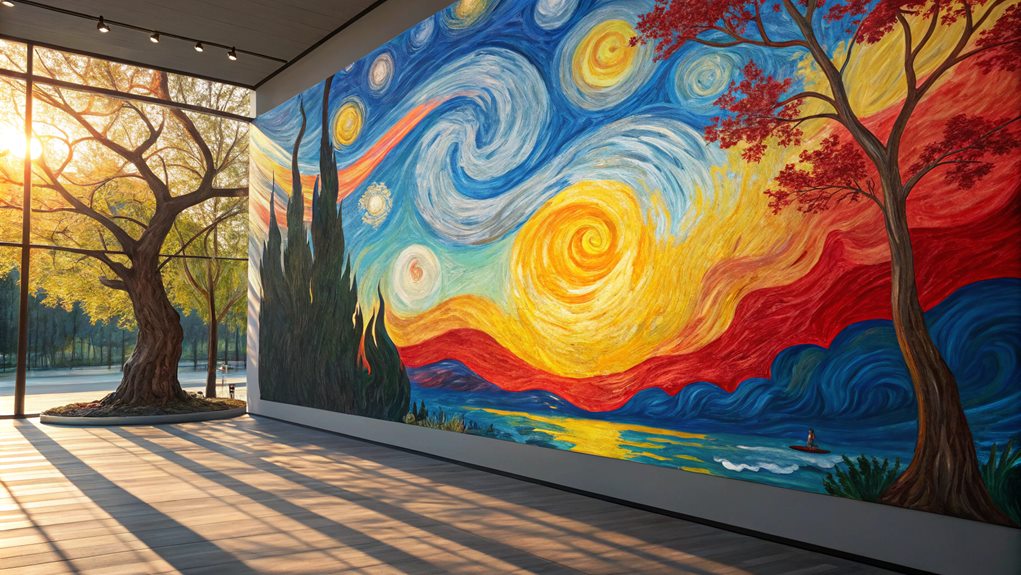
Color serves as a powerful language in the domain of modern art, transcending mere representation to convey deeper meanings and emotions. You can see how artists use color to evoke feelings, create atmospheres, and challenge perceptions. Each hue carries its own weight, allowing you to interpret a piece in ways that resonate with your personal experiences and emotions.
Consider how modern artists manipulate color to engage you on a visceral level:
- Vibrant reds can ignite passion or anger, pulling you into the intensity of the moment.
- Cool blues might evoke calmness or sadness, wrapping you in a serene yet melancholic embrace.
- Bright yellows can uplift your spirits, sparking joy and optimism in your heart.
- Muted tones may reflect nostalgia or loss, inviting you to ponder on memories.
- Contrasting colors create tension and excitement, keeping your eyes dancing across the canvas.
Digital Art and Impressionist Techniques
In today’s digital landscape, artists seamlessly blend traditional Impressionist techniques with modern technology to create striking works that resonate with contemporary audiences. You might find that digital tools allow for the same spontaneity and vibrancy that characterized the original Impressionist movement. By utilizing digital brushes and layering techniques, you can replicate the fluid brush strokes and light play that are hallmarks of works by Monet or Renoir.
One of the most exciting aspects of digital art is the ability to manipulate color, texture, and composition with ease. You can experiment with color palettes to evoke emotions, just as Impressionists did, but now you have the power to adjust and refine your work in real-time. This flexibility encourages you to take risks and break free from traditional constraints.
Additionally, online platforms enable you to showcase your digital pieces to a global audience, fostering community and collaboration. By engaging with other artists, you’ll discover new perspectives on Impressionist techniques and how they can be reinterpreted in today’s visual culture. Embrace the fusion of past and present; it’s an exhilarating journey that can redefine your artistic expression.
Read The Next Blog Post –
In the vibrant tapestry of modern art, Impressionism weaves its threads of light and emotion, ensuring its legacy endures. As you immerse yourself in contemporary works, notice how artists capture fleeting moments, like sunlight dappling through leaves. This dialogue between past and present invites you to explore deeper connections and subjective interpretations. Just as Impressionists painted life’s nuances, today’s creators continue to splash their canvases with the brilliance of innovation, reminding us that art is ever-evolving.