

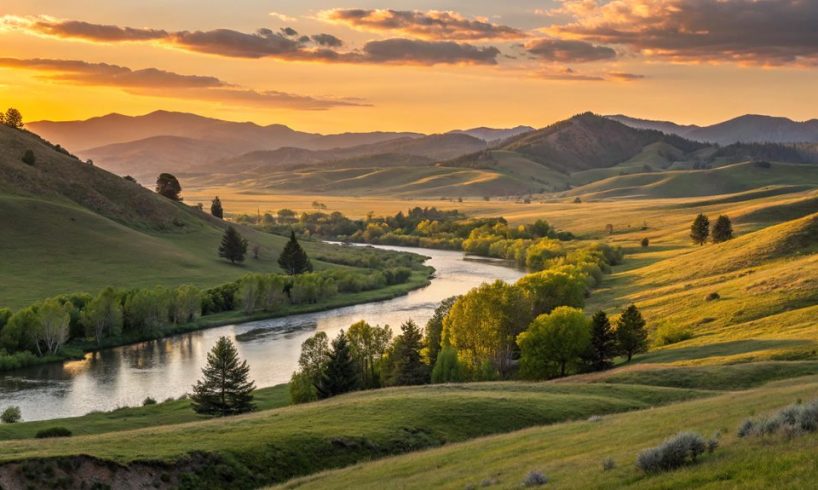
You might not realize that landscape painting has roots that stretch back to ancient civilizations, where artists depicted natural scenes not just for beauty but for spiritual significance. These early works laid the foundation for centuries of evolution in artistic expression. As you explore how different styles and techniques emerged over time, you’ll find that each era reveals something unique about its relationship with nature. What drives these artists to capture the world around them, and how does their vision shape our understanding of landscapes today?
Historical Overview
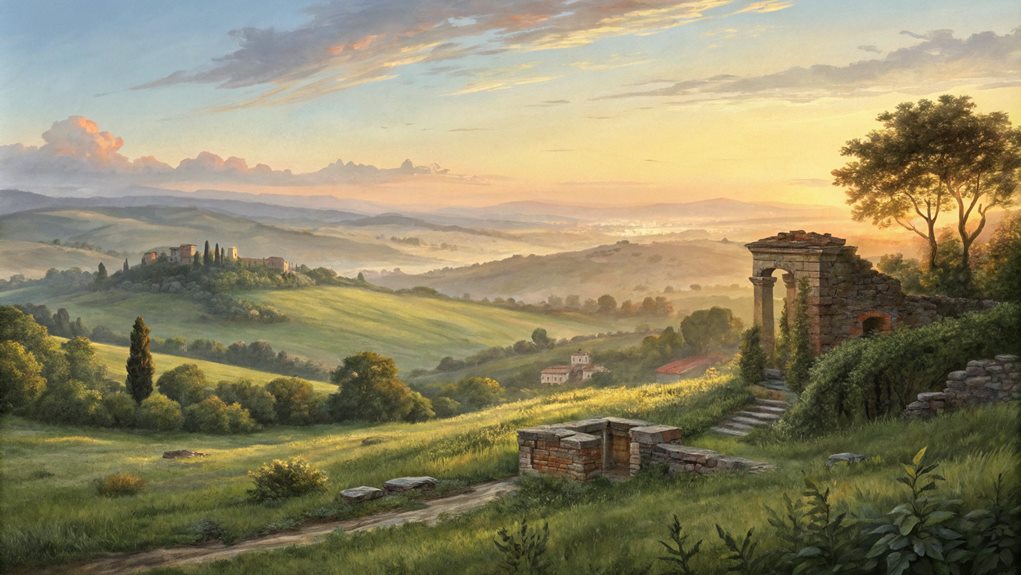
Throughout history, landscape paintings have captured the beauty of nature and the human experience within it. You’ll find that these artworks reflect the changing perceptions of the world, from the ancient Greeks and Romans who saw landscapes as backdrops for mythological scenes, to the Renaissance, where artists began to appreciate nature for its own sake. As you investigate the development of landscape art, notice how different cultures contributed unique perspectives.
In the 17th century, Dutch painters like Rembrandt and Vermeer emphasized realism and detail in their works, showcasing the natural world’s beauty. During the Romantic period, artists focused on emotion and the sublime, portraying nature as both awe-inspiring and terrifying. As you explore the 19th century, you’ll see the rise of movements like Impressionism, where artists experimented with light and color to capture fleeting moments in nature.
Key Artists in Landscape Art
As landscape painting evolved, certain artists emerged as pivotal figures who shaped the genre. You can’t discuss landscape art without mentioning Claude Monet, whose Impressionist style transformed how you perceive nature. His ability to capture light and atmosphere with swift brushstrokes invites you to experience the moment.
Another key artist is John Constable, known for his dedication to capturing the English countryside. His meticulous studies of clouds and rural life resonate deeply, making you feel connected to the land.
If you explore American landscape art, you’ll find inspiration in the works of Thomas Cole, the founder of the Hudson River School. He emphasized the sublime beauty of nature and the spiritual connection between humanity and the environment.
Don’t overlook the contributions of Caspar David Friedrich, whose Romantic landscapes evoke introspection and emotion. His solitary figures amidst vast landscapes challenge you to contemplate your place in nature.
Each of these artists brought their unique vision to landscape painting, enriching the genre and inspiring countless others. Their legacies remind you of the beauty and complexity of the natural world.
Common Techniques Used
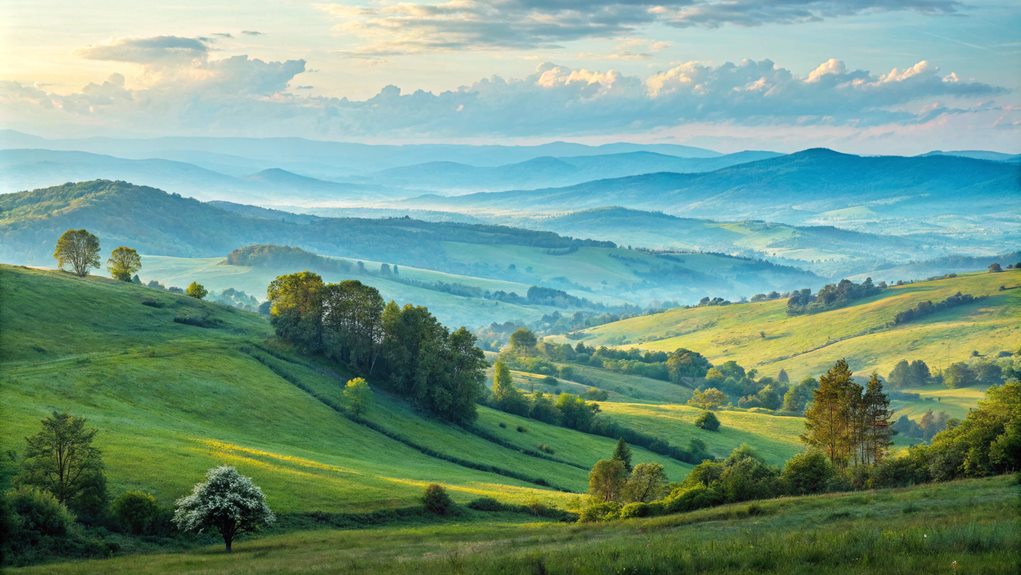
Many landscape painters utilize a variety of techniques to convey the beauty and emotion of nature. One common approach is the use of layering. By building multiple layers of paint, you can create depth and richness in the scene. This technique helps to give the impression of distance, making the foreground pop while pushing the background further away.
Another technique you might explore is the use of light and shadow. By observing how light interacts with different elements in the landscape, you can create a sense of realism and drama. Experimenting with different times of day will allow you to capture unique colors and moods.
Textures are also key. You can use palette knives or brushes to create different textures, from the rough bark of a tree to the smooth surface of water. Don’t forget about color mixing, either. By blending colors on your palette, you can achieve subtle variations that mimic the natural world.
Lastly, consider perspective. Using techniques such as linear perspective can guide the viewer’s eye and create a sense of scale. By mastering these techniques, you’ll be well on your way to capturing the essence of landscapes in your paintings.
Different Styles of Landscape Paintings
When you explore different styles of landscape paintings, you’ll notice how Impressionism captures the fleeting effects of light and color. On the other hand, the tension between realism and abstraction offers a fascinating contrast, inviting you to contemplate how artists interpret nature. Each style brings its own unique perspective, making landscape art a rich field to appreciate.
Impressionism in Landscapes
Impressionism in landscapes stands out as a vibrant and dynamic movement that transformed how artists capture the beauty of nature. You’ll notice that Impressionist painters, like Claude Monet and Pierre-Auguste Renoir, focused on the interplay of light, color, and atmosphere. Instead of meticulously detailing every element, they employed loose brushwork and emphasized the momentary effects of sunlight, creating a sense of movement and spontaneity.
When you look at an Impressionist landscape, you might see how artists often painted en plein air, or outdoors, to directly observe their subjects. This practice allowed them to capture the changing conditions of the environment, like the shifting colors at sunrise or the reflections on water. You’ll appreciate the way they used vibrant colors and bold strokes to evoke emotions and sensations, drawing you into the scene.
As you explore Impressionist landscapes, pay attention to how they convey a feeling of immediacy, inviting you to experience nature in a fresh and personal way. This approach truly revolutionized landscape painting, setting the stage for future movements and inspiring countless artists to explore the beauty of the natural world through their unique lenses.
Realism vs. Abstraction
How do Realism and Abstraction differ in landscape painting? Both styles capture the essence of landscapes, but they do so in very different ways. Realism focuses on depicting the world as it is, emphasizing detail and accuracy. You’ll notice the vibrant colors of nature, the play of light, and the textures of trees and water. In contrast, abstraction takes a more interpretive approach, often distilling the landscape to its essential forms and colors. This style invites you to experience the emotions and ideas behind the scene rather than its literal representation.
Here are three key differences between Realism and Abstraction in landscape painting:
- Detail vs. Simplification: Realism showcases intricate details, while abstraction simplifies shapes and colors.
- Objective vs. Subjective: Realism aims for an objective portrayal of nature; abstraction offers a subjective interpretation, allowing for personal expression.
- Emphasis on Technique vs. Emotion: Realists often highlight technical skill, whereas abstract artists prioritize conveying feelings and concepts.
The Role of Color
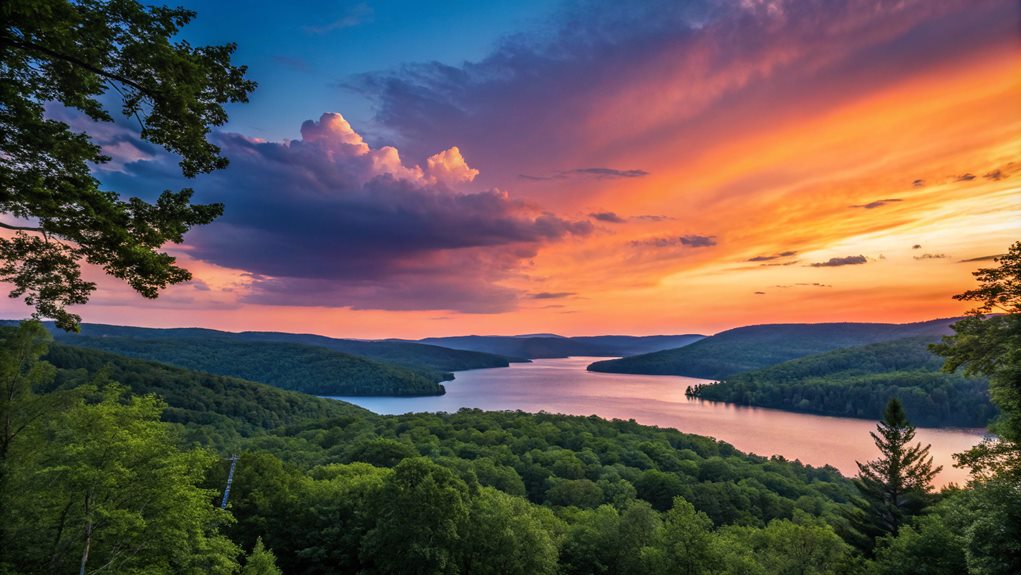
Color plays an essential role in landscape paintings, often defining the mood and atmosphere of the scene. When you look at a landscape, the colors immediately grab your attention, guiding your emotional response. Bright, vibrant hues can evoke feelings of joy and energy, while muted or monochromatic tones might create a sense of calm or melancholy.
You can see how artists strategically use color to influence perception. For instance, warm colors like reds and oranges can make a sunset feel dramatic and inviting, while cool blues and greens can give a serene, tranquil feel to a forest. The choice of color palette not only reflects the time of day but also the season, enhancing the viewer’s connection to nature.
Moreover, color can symbolize meaning. For example, golden yellows might suggest warmth and hope, while deep blues can represent sadness or introspection. As you explore various landscape paintings, pay attention to how color interacts with other elements. You’ll discover that it’s not just about what you see but how it makes you feel, transforming a simple scene into a profound experience.
Iconic Landscape Paintings
Discovering iconic landscape paintings opens a window into the diverse interpretations of nature by artists throughout history. These masterpieces captivate you with their stunning depictions of the world around us, illustrating how different cultures and time periods perceive the same scenes. You’ll find that each artist brings a unique lens to their work, highlighting their emotional connection to nature.
Here are three iconic landscape paintings that stand out:
- “Starry Night” by Vincent van Gogh – This swirling night sky captures the artist’s emotional turmoil and love for the stars, evoking a sense of wonder.
- “The Hay Wain” by John Constable – A quintessential English rural scene, this painting envelops you in the tranquility of the countryside, emphasizing harmony with nature.
- “Water Lilies” by Claude Monet – This series showcases Monet’s fascination with light and color, drawing you into the serene beauty of his garden pond.
Each of these paintings invites you to explore and appreciate the profound connection between humans and the natural world, making them timeless treasures in the art world.
Impact on Modern Art
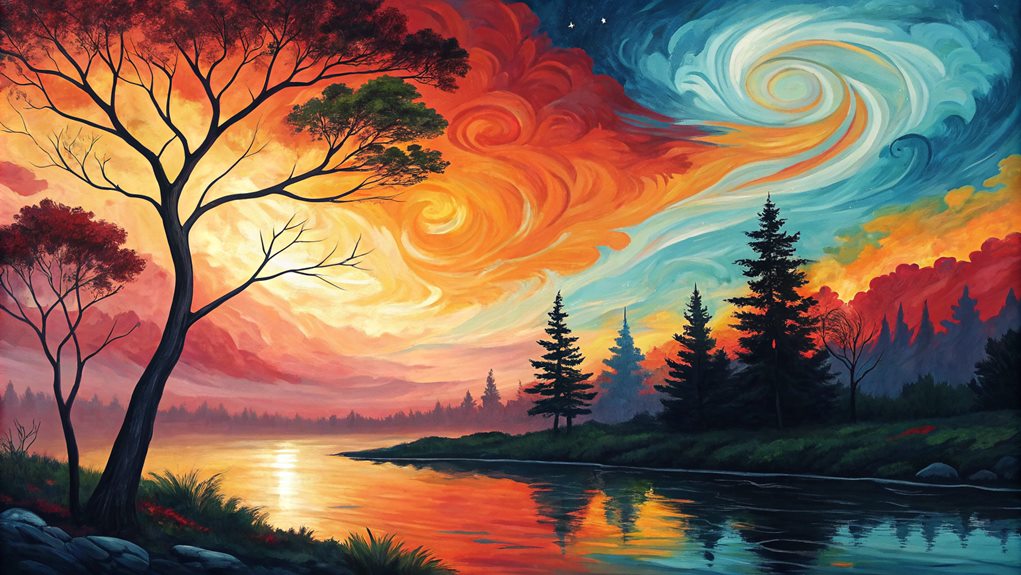
Landscape paintings have considerably shaped modern art by evolving artistic styles and inspiring new forms of expression. You’ll see how nature’s beauty fuels creativity and sparks innovative ideas among contemporary artists. Additionally, landscapes often reflect cultural values, offering insights into society’s relationship with the environment.
Evolution of Artistic Styles
Artistic styles have evolved dramatically over the centuries, influencing the way modern artists approach their work. As you explore landscape paintings, you’ll notice how these shifts in style reflect broader cultural and technological changes. These transformations have not only shaped individual artists but also set the stage for new movements and techniques.
Here are three key evolutions in artistic styles:
- Romanticism: In the 18th and 19th centuries, artists began emphasizing emotion and the sublime beauty of nature. This approach fostered a deep connection between viewers and the landscapes depicted.
- Impressionism: Emerging in the late 19th century, Impressionism broke away from traditional techniques. Artists focused on capturing light and color, often working en plein air, which brought spontaneity and a fresh perspective to landscape painting.
- Abstract Expressionism: In the mid-20th century, artists like Jackson Pollock shifted the focus from realistic representation to emotional expression. This movement opened the door for landscapes to be interpreted in more abstract and personal ways.
These shifts illustrate how artistic styles continuously inspire and challenge modern interpretations of landscape art, inviting you to see the world through new lenses.
Nature’s Influence on Creativity
Nature has always served as a powerful muse for artists, deeply influencing their creativity and expression. When you step outside, you can feel the vibrant energy of the natural world, inspiring you to capture its beauty on canvas. The colors, textures, and forms found in nature ignite your imagination, pushing you to explore new techniques and styles.
In modern art, this connection to nature remains strong. Look at the way contemporary artists use organic shapes and earthy tones to evoke emotions tied to the environment. They often reflect on how nature impacts our lives, tackling themes like climate change and conservation. You might find that these artists challenge traditional forms, blending natural elements with abstract concepts to create thought-provoking pieces.
Landscape as Cultural Reflection
Many modern artists draw inspiration from landscapes, using them as a lens to reflect cultural identities and societal values. You’ll notice how landscapes can evoke emotions, tell stories, and convey messages about the world around us. Through their work, artists explore themes of belonging, displacement, and environmental concerns, making their pieces not just visually stunning but also deeply meaningful.
Here are three ways landscapes serve as cultural reflections in modern art:
- Identity Exploration: Artists often depict their home environments to express personal and collective identities, showcasing cultural heritage and traditions.
- Societal Commentary: Many landscapes highlight social issues, such as urbanization or climate change, prompting viewers to contemplate the impact of human activity on nature and society.
- Emotional Connection: Landscapes can evoke nostalgia or longing, allowing viewers to connect with their own experiences and feelings tied to specific places.
Tips for Collecting Art
When you start collecting art, it’s essential to define your personal taste and budget, as these factors will guide your choices. Explore various styles, periods, and mediums to discover what resonates with you. Visit galleries, art fairs, and museums; immerse yourself in the art world to gain insights into different artists and their works.
Once you’ve identified your preferences, set a realistic budget. Remember that collecting art isn’t just about high-value pieces; many emerging artists offer stunning works at accessible prices. Consider starting with smaller pieces to build your collection gradually.
Research is significant. Learn about the artists whose work you admire, understand their backgrounds, and the context of their pieces. This knowledge enriches your appreciation and helps you make informed decisions.
Network with fellow collectors and attend art events to connect with artists and curators. These relationships can lead to exclusive opportunities and valuable insights.
Read The Next Blog Post –
In exploring landscape paintings, you might think they’re merely pretty pictures, but they offer much more. Each brushstroke tells a story, revealing the artist’s emotional connection to nature and their cultural context. By appreciating the depth and variety within this genre, you not only enhance your understanding of art but also enrich your own experiences with the natural world. So, whether you’re a casual admirer or a serious collector, there’s always more to discover in the domain of landscapes.
#LandscapePaintings #NatureArt #ScenicViews #OutdoorArt #LandscapeArtist